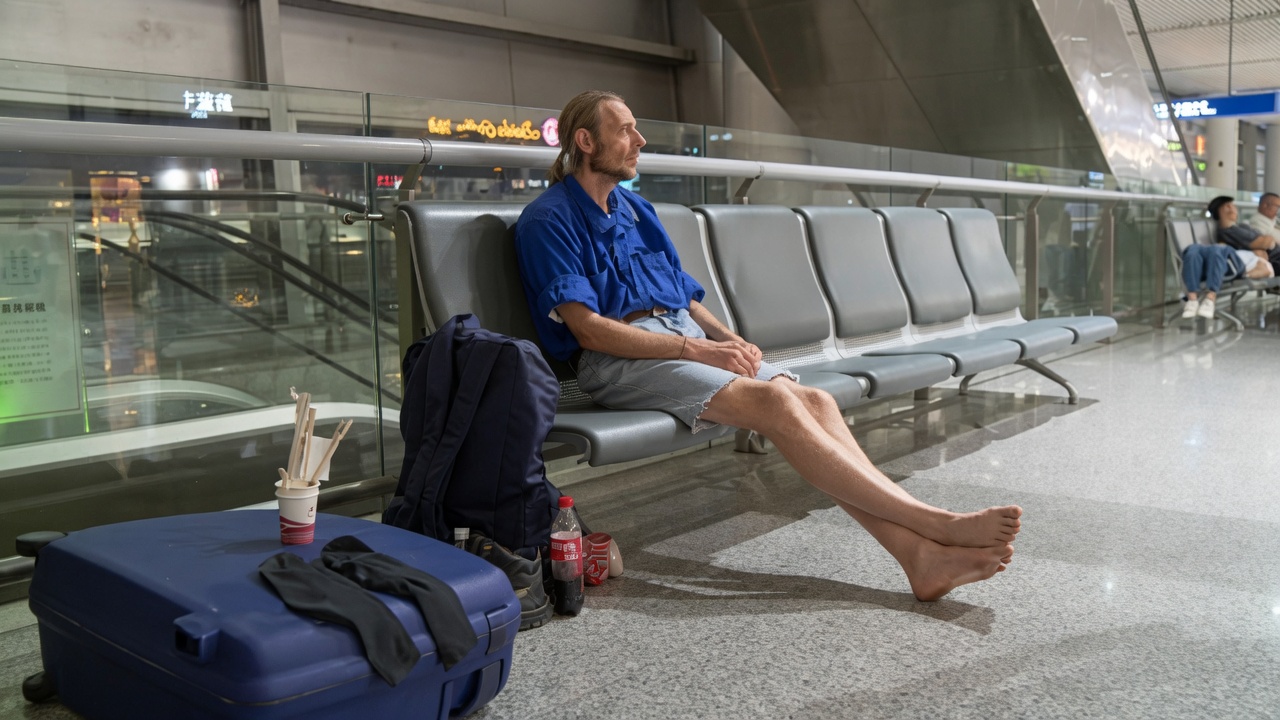
A man who hadn't slept for four days boarded a flight to meet and marry his internet girlfriend, only to end up hospitalized upon arrival instead of exchanging vows. The passenger's health collapsed under extreme sleep deprivation during travel, derailing his carefully planned wedding day.
This case follows a similar incident where another man spent ten days waiting in an airport for an online romantic partner who never showed. Both episodes highlight the risks of organizing major life events around internet relationships without proper planning or safeguards.
Sleep deprivation at this extreme level impairs judgment, immune function, and physical stability. Combining four sleepless days with the stress of air travel and emotional intensity of meeting a long-distance partner created a dangerous combination. Hospitals regularly treat passengers who experience medical crises triggered by exhaustion, dehydration, and anxiety during travel.
The aviation industry sees repeat patterns of travelers undertaking risky journeys for online relationships. Airlines report passengers boarding flights in compromised physical states, often driven by emotional urgency rather than practical readiness. Flight crews document cases of passengers becoming disoriented, agitated, or medically unstable mid-flight due to exhaustion and stress.
For anyone planning to meet an internet partner, travel experts recommend basic precautions. Get adequate sleep before flying. Arrange ground transportation in advance. Have a backup plan if the meeting doesn't proceed as expected. Inform a trusted friend or family member of your itinerary and contact details.
The costs of this approach extend beyond the initial airfare. Emergency medical treatment at hospitals consumes thousands in healthcare expenses. A failed trip incurs non-refundable hotel bookings, rental cars, and meal costs. Mental health recovery from romantic disappointment adds further burden.
Internet relationships require the same vetting and preparation as any major decision. Video calls before travel help verify the person's identity and intentions. Setting realistic expectations prevents the