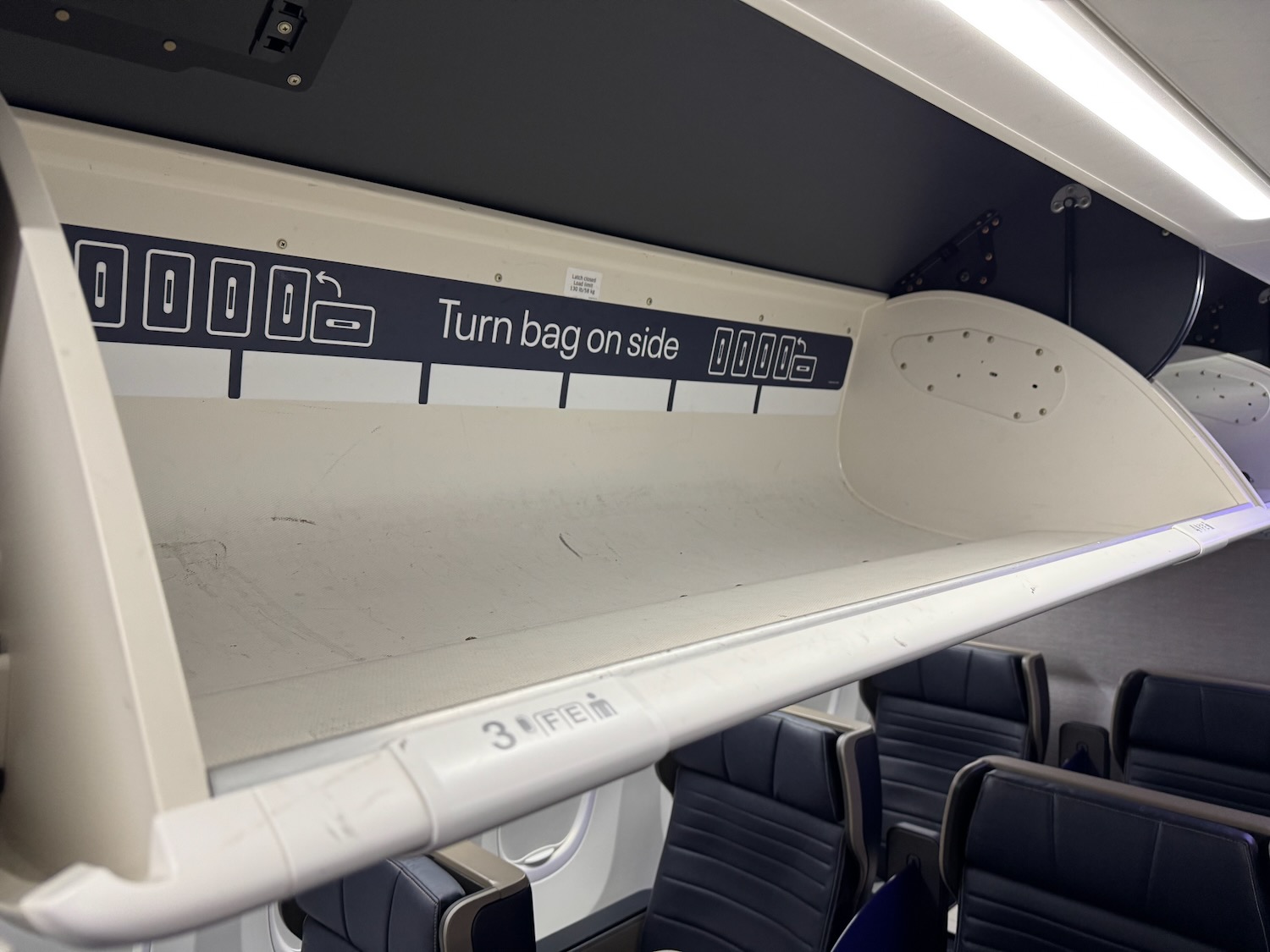
United Airlines flight attendant halted boarding to confront economy passengers placing luggage in first class overhead compartments while space remained available in their designated seating areas. The attendant's intervention highlights a persistent boarding frustration that plagues airlines worldwide.
The incident underscores a growing tension between cost-conscious travelers and cabin crew enforcing cabin standards. Economy passengers frequently utilize premium cabin storage when overhead bins fill, creating delays and forcing flight attendants into uncomfortable enforcement roles. This behavior adds minutes to already-tight boarding windows and shifts luggage between cabins mid-flight.
United, like most major carriers, designates first class bins exclusively for premium-cabin passengers. American Airlines, Delta Air Lines, and Southwest Airlines enforce similar policies. The practice protects first class passengers' boarding experience and streamlines deplaning procedures. Yet gate agents struggle to enforce rules when economy passengers arrive at the gate with oversized carry-ons.
Airline boarding fees have intensified this problem. United, American, and Southwest now charge economy passengers $35 to $45 for standard checked bags on domestic flights. This incentivizes travelers to cram belongings into carry-ons rather than pay extra, creating overhead bin shortages during peak travel seasons.
The flight attendant's willingness to pause boarding rather than ignore the violation reflects crew frustration with repeat offenders. Many airlines train crew to address these situations diplomatically, though standards vary. Some attendants intervene immediately; others permit the behavior to avoid confrontation.
Travel experts recommend arriving early enough to secure overhead bin space above your assigned row, bringing smaller bags, or checking luggage despite fees. Gate agents also increasingly offer gate-checking at no charge when bins fill, which United promotes as a solution.
This boarding conflict reveals deeper airline industry pressures. Shrinking profit margins push carriers to monetize every service, while passengers respond by maximizing carry-on allowances. The result