Travellers seeking authentic European experiences are bypassing flagship tourist zones for hidden neighbourhood gems across four major cities. Stockholm, Amsterdam, Berlin, and Porto offer lesser-known districts where visitors discover local character without crowds.
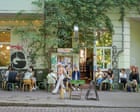
Berlin's Neukölln district, specifically the Maybachufer neighbourhood, attracts explorers willing to venture beyond the Brandenburg Gate. The area centres on the Landwehrkanal, accessible via U-Bahn station Kottbusser Tor. Tuesday and Friday multicultural markets define the district's rhythm, offering food, vintage goods, and street culture that guidebooks rarely highlight. This pocket of Berlin draws students and sabbatical travellers seeking genuine flaneur experiences through working-class streets lined with independent cafes and galleries.
The trend reflects broader shifts in European travel patterns. Mass tourism has consolidated around predictable landmarks. Venice's San Marco Square and Amsterdam's Canal Ring remain crowded. Smart travellers now research neighbourhood-level recommendations from locals and travel communities instead of following standardized itineraries.
Porto, Amsterdam's canal periphery, and Stockholm's quieter quarters share similar appeal: walkable streets, independent venues, affordable meals, and residents who actually live there rather than service tourists. These neighbourhoods typically feature affordable accommodation in converted apartments and small hotels rather than international chains. Local bars and cafes prioritize regulars over tourists, creating spaces where visitors genuinely integrate rather than observe.
Budget-conscious travellers particularly benefit. Neighbourhood exploration costs less than organized tours and famous restaurant reservations. A coffee in Neukölln runs half the price of Mitte district cafes. Market shopping provides lunch cheaper than sit-down restaurants.
The strategy works year-round. These districts experience seasonal variation without peak-season price gouging. Winter visits reveal authentic community life stripped of summer tourism infrastructure.
Travel communities like Reddit's r/travel and local travel blogs increasingly