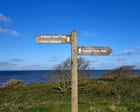
Britain's newly completed King Charles III England Coast Path offers walkers 2,700 miles of coastal hiking across England's entire shoreline. The ambitious infrastructure project now opens access to previously disconnected sections, creating a continuous trail from the Scottish border to the Devon coast.
Travel writers recently explored several less-crowded stretches that deliver dramatic landscapes and historical depth. The Lindisfarne circular walk covers four miles around Holy Island in Northumberland, combining monastic ruins with views across tidal causeway routes. The section from Budle Bay to Bamburgh spans five miles along the northern English coast, showcasing golden sand beaches backed by limestone cliffs and the imposing Bamburgh Castle.
These northern sections represent the path's raw appeal. Unlike established trails like the South West Coast Path or the Thames Path, the King Charles III route threads through working villages and authentic fishing communities rather than resort towns. Walkers encounter castle ruins, abandoned mining operations, and seabird colonies alongside manageable daily distances of 5 to 12 miles.
The path's completion transforms English coastal tourism. Previously, accessing continuous routes required piecing together local trails, private permissions, and occasional road walking. Now families, experienced hikers, and casual strollers can plan multi-week journeys without logistics headaches. Accommodation options range from budget hostels in coastal villages to upmarket hotels in places like Bamburgh, where stays run 150 to 250 pounds per night.
The route arrives as British hiking trends intensify. Domestic walking holidays have surged 40 percent since 2022, driven by staycation preferences and improved outdoor infrastructure. The England Coast Path appeals specifically to budget-conscious travellers seeking free, publicly accessible adventure. Most sections require only basic fitness levels, encouraging participation across age groups.
Regional tourism boards report rising interest in North East England and Cornwall as the path sections gain visibility.