# Holiday divers are helping save sharks in Japan
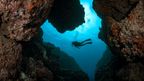
A new diving certification program in Japan enlists recreational tourists as citizen scientists to monitor endangered shark populations across the country's coastal waters. The initiative pairs holiday divers with marine researchers collecting data on shark behavior, migration patterns, and population health in real time.
The course trains participants to identify shark species, record sightings, and document environmental conditions during dives. Participants earn standard diving certifications while contributing to legitimate conservation research. Operating across Japan's primary diving destinations, the program transforms casual vacation time into meaningful environmental work.
Japan faces mounting shark populations in some regions while other species face extinction threats. Traditional monitoring proves expensive and labor-intensive. Recruiting thousands of recreational divers provides researchers with extensive observation data at minimal cost. The program currently operates at multiple dive operators throughout Japan's diving hotspots, including popular sites in Okinawa and the Izu Peninsula.
Participants pay standard diving course fees, typically ranging from $300 to $500, with no additional research surcharge. Instructors undergo specialized training to teach both diving skills and scientific methodology. Divers submit their observations through a smartphone app that feeds directly into research databases.
Conservation groups backing the initiative report that tourist divers have already documented rare shark species in areas previously considered depleted. The data collection helps scientists understand how warming ocean temperatures affect shark migration and breeding cycles. This information informs Japan's marine protection policies and international shark conservation efforts.
The model offers a blueprint for other countries developing underwater tourism tied to conservation. Recreational divers gain rare encounters with sharks while shedding misconceptions about the animals. Researchers access research data that would otherwise require dedicated funding and personnel.
Japan's diving tourism industry stands to benefit from positioning the country as a conservation-focused destination. International travelers increasingly seek vacations aligned with environmental values. This program demonstrates how tourism revenue directly funds scientific work protecting marine ecosystems.