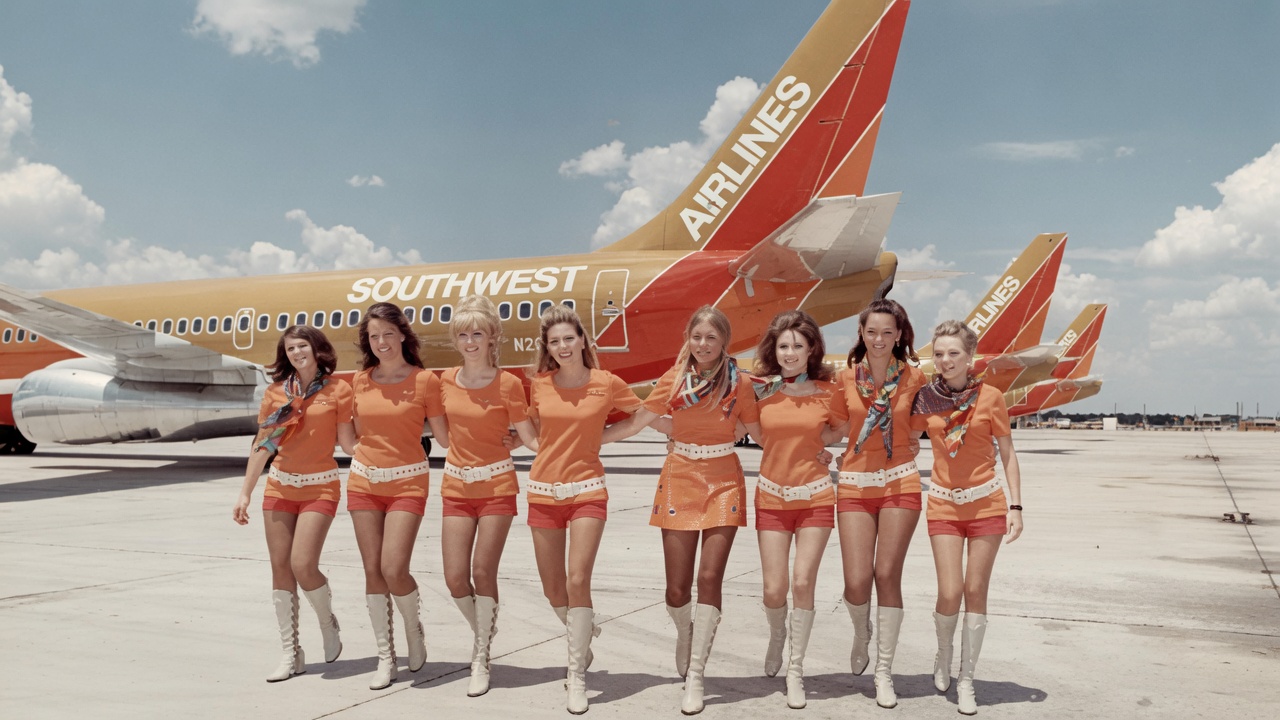
American Airlines, United, Delta, and Southwest abandoned appearance-based hiring decades ago, replaced by union contracts and federal equal employment standards that prioritize safety credentials and professionalism. The shift came after deregulation in 1978 and civil-rights enforcement in the 1980s eliminated the industry's explicit focus on youth and weight as marketing tools.
Asian carriers, however, maintain stricter physical appearance requirements. Airlines including Singapore Airlines, Thai Airways, and Cathay Pacific still enforce age caps, weight maximums, and grooming standards as central to their brand identity and customer service positioning. These policies reflect different regulatory environments and cultural attitudes toward flight attendant roles.
The divide stems from labor law differences. U.S. carriers operate under Title VII of the Civil Rights Act, which prohibits discrimination based on age and sex. Union representation also shifted power to crew members. When flight attendants unionized through groups like the Association of Flight Attendants-CWA, seniority systems and collective bargaining agreements replaced arbitrary appearance standards with merit-based advancement.
Asian airlines operate in markets without equivalent legal restrictions. Singapore Airlines, for instance, pioneered the global premium cabin experience through carefully curated cabin crew imagery. Thai Airways and Malaysia Airlines similarly market their service through specific aesthetic presentations. These standards remain legally permissible in their home countries and create distinct competitive positioning in long-haul markets.
For travelers, this reflects divergent approaches to service delivery. U.S. carriers emphasize crew diversity and retention of experienced professionals regardless of age. Asian carriers prioritize visual consistency aligned with their brand promise.
The economics matter too. U.S. carriers discovered that experienced flight attendants provided better safety responses and customer service than rotating young staff. Retaining talent became cheaper than constant recruitment. Meanwhile, premium Asian carriers banking on luxury positioning argue appearance standards drive their market differentiation and customer expectations.
This split will likely persist.