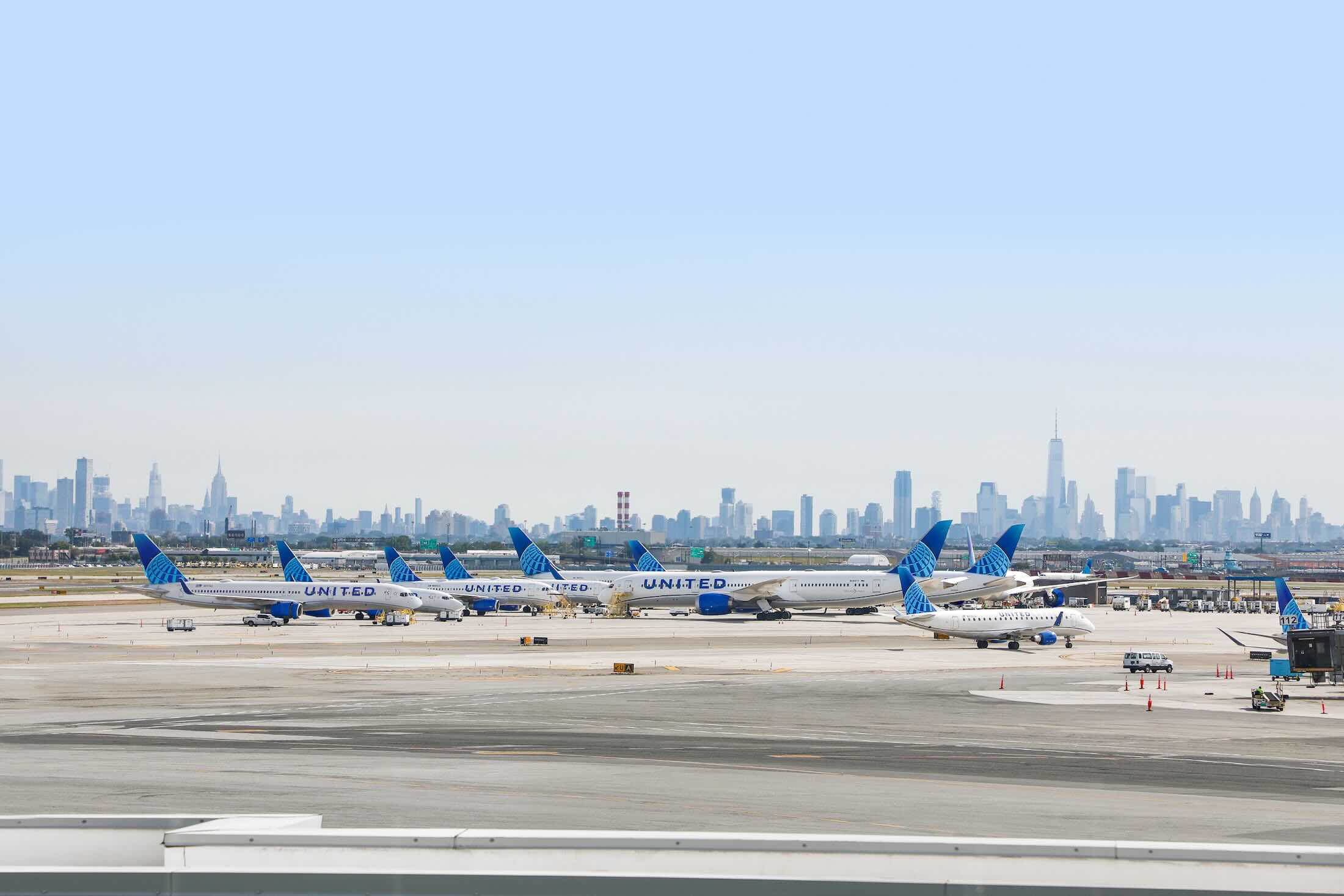
Newark Liberty International Airport has transformed into one of the nation's most punctual hubs, raising questions about whether federal capacity restrictions intentionally benefited United Airlines. The airport, historically plagued by delays and congestion, now consistently outperforms major competitors like LaGuardia and JFK in on-time performance metrics.
The Federal Aviation Administration implemented capacity discipline at Newark in response to chronic operational challenges. These limitations capped flight operations during peak hours, reducing the airport's scheduled departures and arrivals. While initially contentious, the restrictions appear to have delivered tangible benefits for United, which operates as the dominant carrier at Newark with roughly 60 percent of flights from the airport.
The improved punctuality directly impacts passengers choosing Newark over rival New York area airports. Travelers booking United flights from Newark now experience fewer delays, cancellations, and the cascading disruptions that plagued the airport for years. This operational stability extends beyond on-time arrivals. Reduced congestion means shorter tarmac times, faster ground handling, and smoother connections for passengers transferring through the hub.
The FAA's move generated debate within the aviation industry. Critics argued that capacity constraints simply shifted delays to other airports or forced airlines to cancel flights rather than operate them late. Supporters countered that the restrictions addressed a fundamental problem: Newark was oversaturated, with more flights scheduled than the airport's infrastructure could safely and reliably handle.
United's position as the major carrier at Newark means the airline captured most benefits from the capacity discipline. The airline's network planning already centered on Newark as a key East Coast hub, so operational improvements directly boosted its competitive position against rivals using LaGuardia, JFK, and other crowded Northeast airports.
For travelers planning trips through the New York region, Newark now represents a more reliable option than it has in years. The airport's transformation from a notorious congestion point to a punctuality leader demonstrates