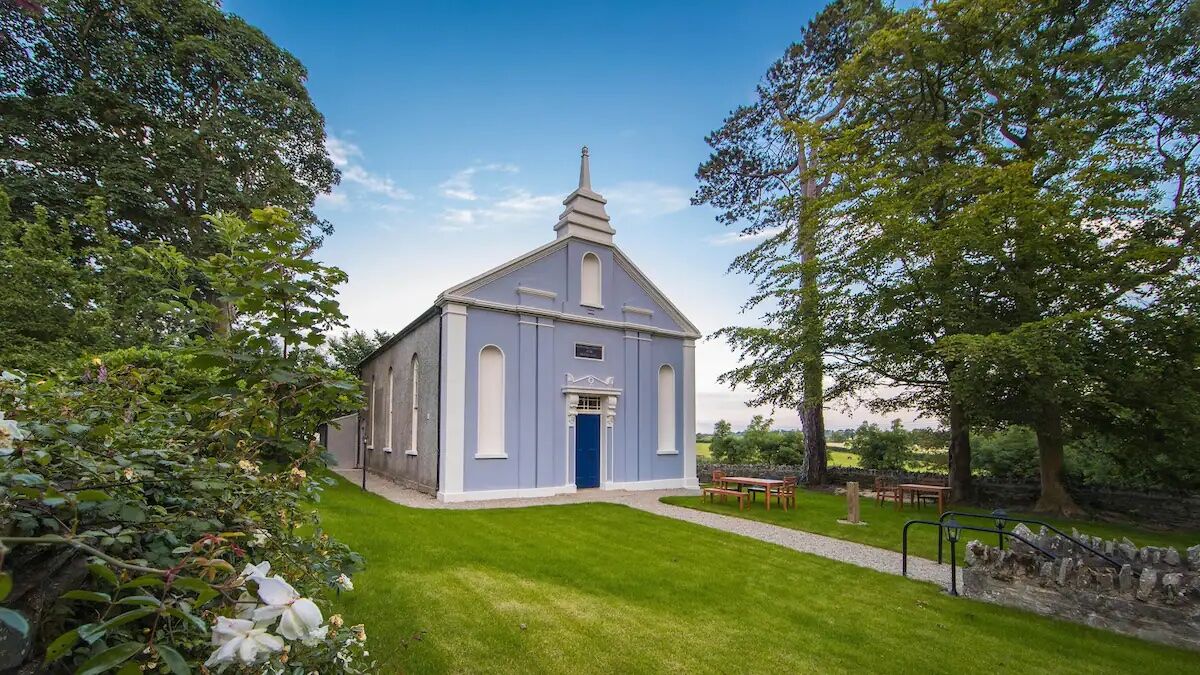
Religious architecture transforms into luxury accommodations across the globe. Airbnb hosts have converted centuries-old churches, chapels, and monasteries into distinctive lodgings that merge spiritual history with modern comfort.
These conversions span continents. In Portugal, converted convents offer whitewashed stone walls and arched ceilings alongside contemporary kitchens and heated bathrooms. Belgian chapel rentals feature original stained glass windows paired with designer furnishings. Swedish country churches now contain sleek Scandinavian interiors while preserving soaring timber beams and bell towers.
Pricing varies by location and amenities. European conversions typically run $150 to $400 nightly, with premium properties in historic city centers commanding higher rates. North American converted churches generally cost $120 to $350 per night. Travelers find the most affordable options in rural areas where demand remains lower.
These properties attract specific traveler profiles. Couples seeking romantic getaways book intimate chapel conversions for weekend retreats. Families rent larger converted monasteries with multiple bedrooms and grounds suitable for children. Photography enthusiasts target properties maintaining original architectural details like bell towers, arched doorways, and ornamental stonework.
The trend reflects broader vacation rental patterns. Travelers increasingly seek unique stays over generic hotel rooms. Airbnb data shows alternative accommodations grew 25 percent annually from 2019 to 2022, with historic conversions representing the fastest-expanding category.
Booking considerations matter. Properties marketed as "converted churches" typically require longer minimum stays during peak seasons. Many prohibit events and require guests to respect the building's historical significance. Some locations maintain original chapels for meditation or quiet reflection, offered as complimentary amenities.
Host profiles reveal passion for preservation. Many owners invested 18 to 36 months in renovations, obtaining permits from local heritage boards and working with architects