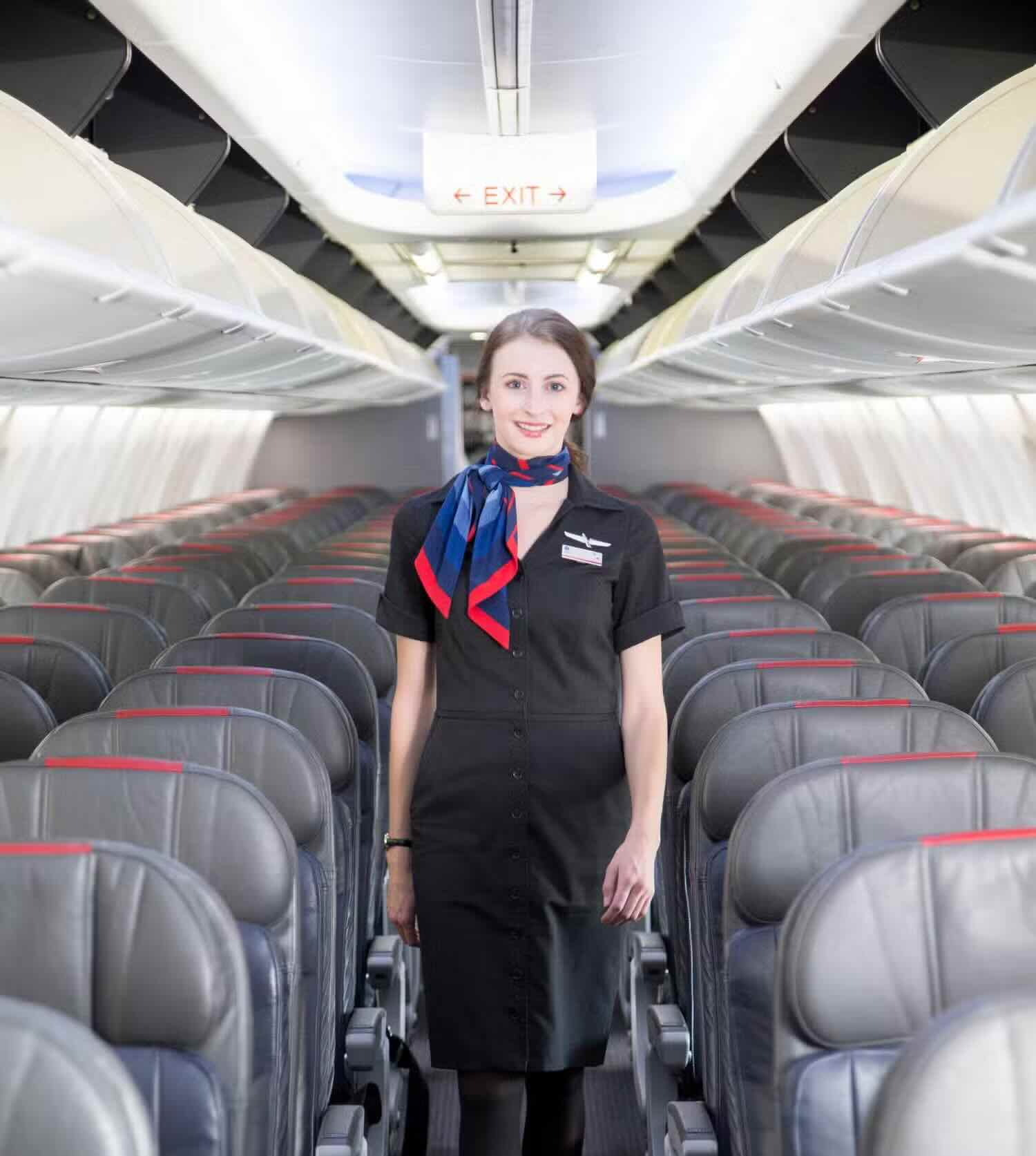
American Airlines is enforcing earlier seatbelt fastening and upright seat positioning during descent to reduce turbulence injuries among flight attendants. The carrier plans to require passengers to remain seated with seatbelts fastened and seat backs upright well before the traditional landing preparation window, extending the period of discomfort on overnight flights.
The move addresses legitimate safety concerns. Flight attendants face genuine injury risks during unexpected turbulence when they're moving through cabins during descent. However, passengers on redeye flights from New York to Los Angeles or similar late-night routes will experience notably compressed cabin time before arrival. The typical window for seat adjustments and final bathroom visits shrinks considerably under this new protocol.
This policy shift reflects growing carrier focus on crew safety, but the timing creates particular hardship for overnight travelers already contending with sleep deprivation and cramped conditions. Redeye passengers typically endure minimal rest and rely on the final approach to prepare for arrival. Mandatory upright seating further reduces comfort during already grueling overnight journeys.
Other major carriers including United Airlines and Delta Air Lines monitor similar policies as they weigh crew protection against passenger experience. The industry faces genuine tension between these competing interests. Flight attendant unions generally support stricter descent protocols, citing repeated turbulence incidents that have caused injuries.
Potential compromises exist. Airlines could implement flexible policies that tighten restrictions only during predicted rough-air conditions rather than making early seatbelt requirements universal. Staggered compliance, where premium cabin passengers receive extended adjustment time while economy remains restricted, offers another alternative.
American Airlines has not announced specific timing for full implementation. The carrier suggests this change prioritizes safety compliance over passenger convenience, a calculation that may shift as other airlines respond. Travelers planning redeye flights should expect reduced flexibility during final descent hours and adjust expectations accordingly.