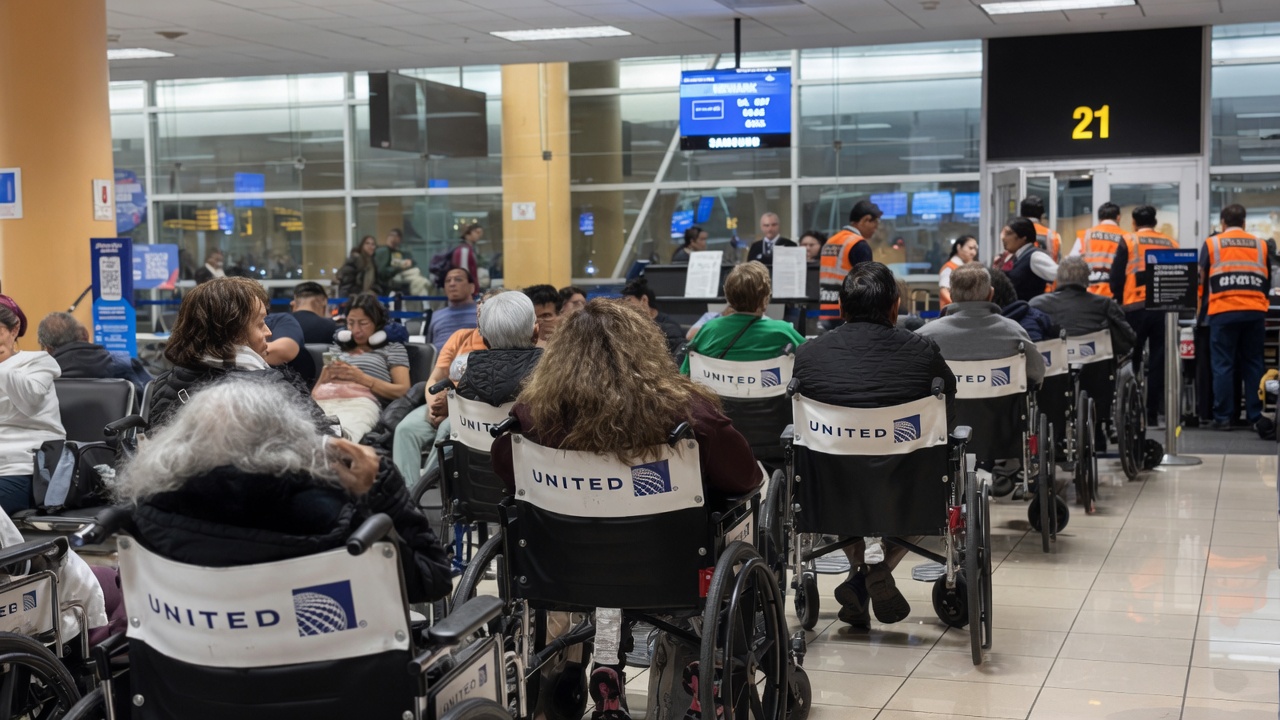
United Airlines gate agents challenged a double partial amputee's request to preboard, forcing him to advocate for his own accommodation before the airline relented and allowed early boarding.
The incident reflects a growing problem in commercial aviation. Fake disability claims have become common enough that gate agents now scrutinize legitimate requests more closely. This skepticism directly harms passengers with genuine mobility limitations who require extra time to board safely.
The passenger in this case had legitimate medical documentation and clear physical limitations that warranted preboarding access. Yet United's ground crew questioned his need, creating an uncomfortable confrontation at the gate. He eventually succeeded only after asserting himself, a solution unavailable to less assertive travelers or those experiencing acute pain or fatigue.
Preboarding accommodations exist for specific reasons. Passengers with mobility devices, severe arthritis, prosthetics, or amputations need space to navigate aisles without rushing or navigating crowds. For double partial amputees especially, the boarding process presents genuine challenges that early access addresses. Cramped cabins, narrow aisles, and overhead bin placement become obstacles when mobility is compromised.
United's policy allows preboarding for passengers with disabilities, yet implementation remains inconsistent. Gate agents receive limited training in disability recognition and often cannot verify claims visually. This creates openings for abuse but also generates skepticism that penalizes legitimate travelers.
The solution requires multiple changes. Airlines should strengthen staff training on disability accommodation so agents understand conditions beyond obvious wheelchairs. Clear documentation standards would help verify claims without invasive questioning. Most importantly, gate agents need directives prioritizing passenger dignity. When someone requests preboarding, the default should be accommodation, not interrogation.
Frequent flyers report this pattern across carriers. Delta, American, and Southwest face similar complaints. The more fake claims gate agents encounter, the harder genuine passengers must fight for basic accessibility.
This case