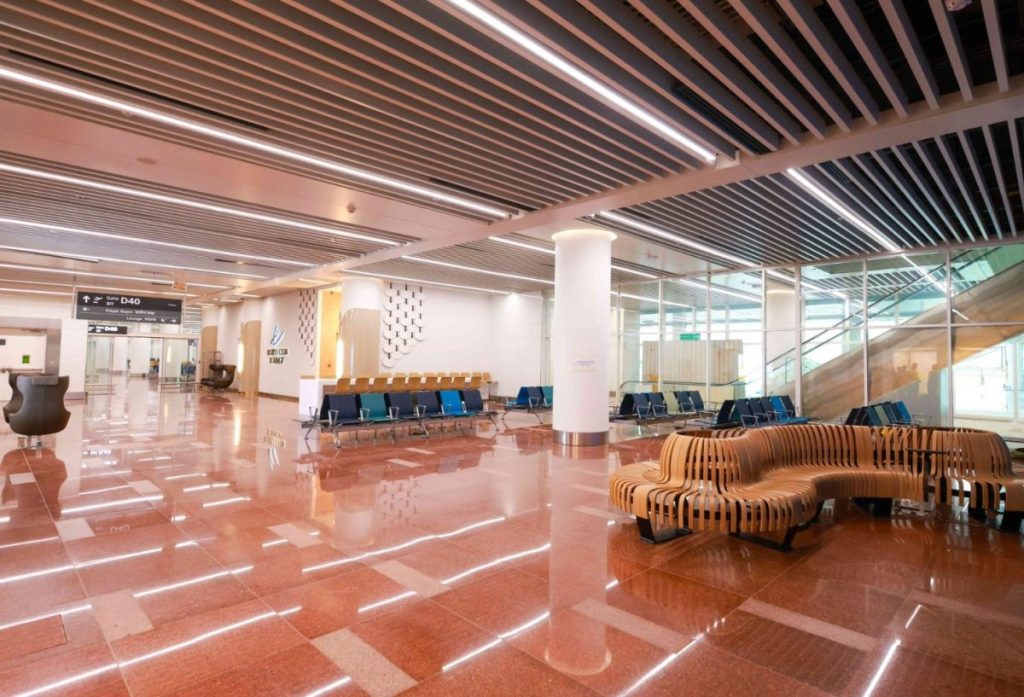
India's latest airport opening reveals a critical gap between infrastructure ambition and traveler behavior. While India constructs new airports at rapid pace, the nation struggles to shift passengers away from congested primary hubs toward underutilized secondary facilities.
India has invested heavily in expanding airport capacity, launching new terminals and regional airports across the country. Yet these facilities sit partially empty while travelers cluster at established hubs like Delhi's Indira Gandhi International and Mumbai's Bombay High. Airlines hesitate to deploy aircraft to secondary airports without guaranteed passenger volumes, creating a chicken-and-egg problem that stalls growth.
The challenge extends beyond construction timelines. Getting Indians accustomed to major city airports to use secondary facilities requires coordinated efforts from airlines, ground operators, and government incentives. Reduced landing fees and route development schemes help, but passenger preference remains stubbornly concentrated in legacy hubs.
This dynamic reflects broader aviation trends across Asia. Countries like Thailand and Vietnam have successfully distributed traffic across multiple airports by investing in ground transportation, offering competitive fares, and encouraging corporate partnerships. India's secondary airports often lack reliable rail connections or ground transit options that would justify their use.
For budget carriers like IndiGo and SpiceJet, secondary airports present opportunities for cost savings through lower fees. Yet these airlines also need predictable traffic patterns to justify expanded operations. Without passengers, they cannot commit to regular service.
Travelers planning trips within India should monitor airline announcements for secondary airport routes, which often offer cheaper fares than flights from primary hubs. However, expect longer ground transportation times and fewer amenities at newer facilities. The calculus changes based on your starting point and flexibility with timing.
India's aviation expansion ultimately depends on passenger adoption. New terminals and runways mean little without people boarding planes. Success requires India to replicate what mature aviation markets have proven: making secondary airports genuinely convenient through transit infrastructure, competitive pricing