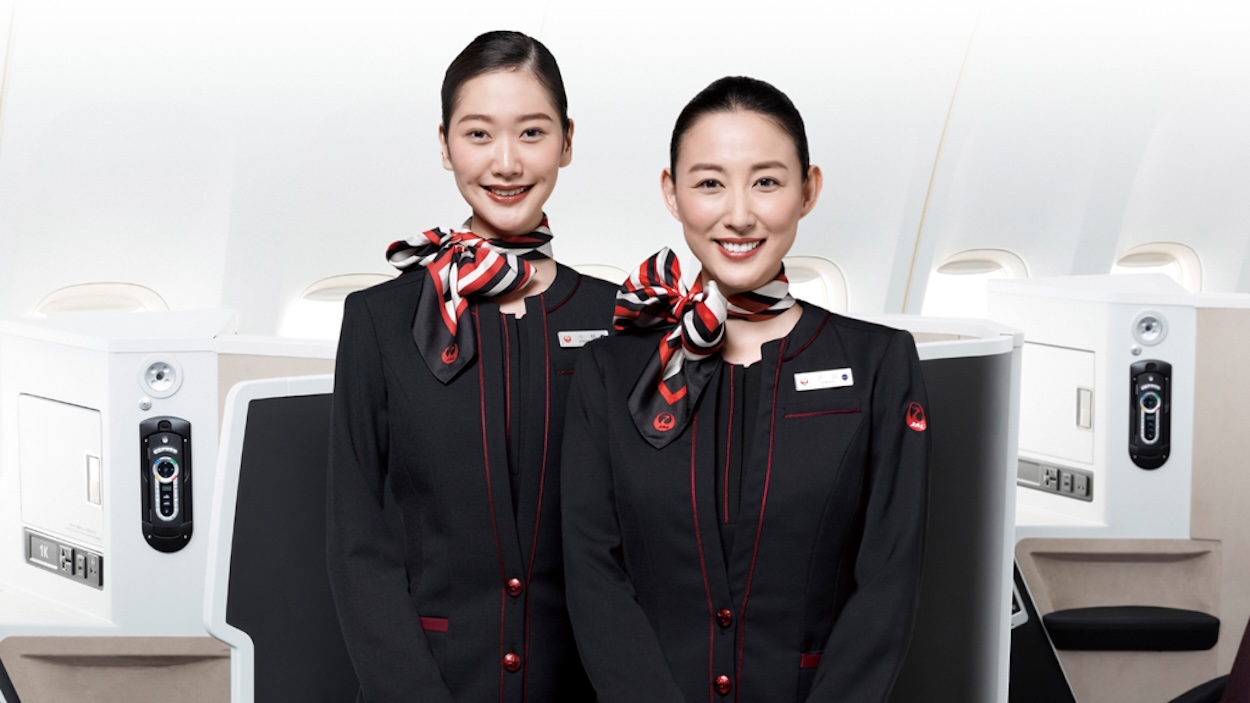
Japan Airlines CEO Yuji Akasaka has cut his salary by 30 percent following multiple alcohol-related incidents involving crew members. The airline simultaneously implemented a strict new policy banning all 6,000 flight attendants from consuming alcohol during work layovers.
The incident reflects ongoing discipline problems at Japan Airlines. Previous crew members faced suspensions and terminations for alcohol violations, prompting the carrier to take drastic action. The layover ban represents one of the industry's most restrictive alcohol policies for cabin staff.
Akasaka's pay reduction demonstrates leadership accountability, though it raises questions about whether the measure addresses root causes. Flight attendants operate under demanding schedules with irregular rest patterns between flights, often spending 12 to 18 hours in foreign cities between departures. The policy now prevents them from unwinding during these off-duty periods.
The ban applies regardless of whether attendants are working the following day, effectively restricting personal conduct during non-working hours on company time. This differs from major carriers like American Airlines, United Airlines, and Lufthansa, which permit cabin crew to consume alcohol off-duty provided they meet minimum rest requirements before flying.
Industry observers note the tension between safety standards and crew welfare. Flight crews require sufficient rest to perform critical safety functions, yet blanket prohibitions on alcohol during layovers may strain morale and recruitment at a time when airlines struggle to hire and retain staff.
Japan Airlines, Japan's second-largest carrier after All Nippon Airways, operates roughly 600 aircraft and serves destinations across Asia, Europe, and North America. The airline generates annual revenue exceeding $20 billion, making it a major player in global aviation.
The new policy takes effect immediately. Flight attendants who violate the ban face disciplinary action up to termination. Japan Airlines has not announced whether pilots face similar restrictions, though industry protocols typically impose stricter limits