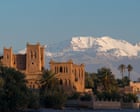
Skoura, a four-hour drive south of Marrakech, represents a rare pocket of Morocco untouched by modern tourism. This desert oasis, fed by snowmelt from the Atlas Mountains, offers travellers seeking authenticity a genuine escape from overcrowded medinas and resort developments.
The town's appeal lies in its complete lack of commercialization. Walking through palm groves irrigated by ancient water channels, visitors experience a dramatic shift. Temperature plummets. Birdsong replaces traffic noise. The harsh Saharan sun filters through thick vegetation. This sensory reset explains why desert caravans historically sought oases as survival points and why they remain synonymous with restoration.
Skoura's charm stems from its refusal to modernize for tourism. Unlike Marrakech's bustling souks and Jemaa el-Fnaa square, this oasis town maintains its traditional rhythm. Date palms, almond groves, and walnut trees create a green corridor through arid landscape. Local Amazigh families still manage irrigation systems unchanged for centuries. Adobe kasbahs dot the valley, their earthen walls blending seamlessly with the surrounding terrain.
The town sits within the Draa Valley, one of Morocco's most fertile regions. Visitors can explore on foot or horseback, navigating narrow paths between gardens and traditional dwellings. Accommodations range from basic guesthouses to several mid-range riads offering comfort without pretension. Most operators in Marrakech can arrange day trips or overnight stays, though independent travel works equally well.
Costs remain remarkably low. Meals at local restaurants run three to five dollars. Basic guesthouse rooms cost ten to twenty dollars nightly. This affordability makes extended stays feasible for budget-conscious travellers.
Skoura represents a growing counter-trend to Morocco's overt