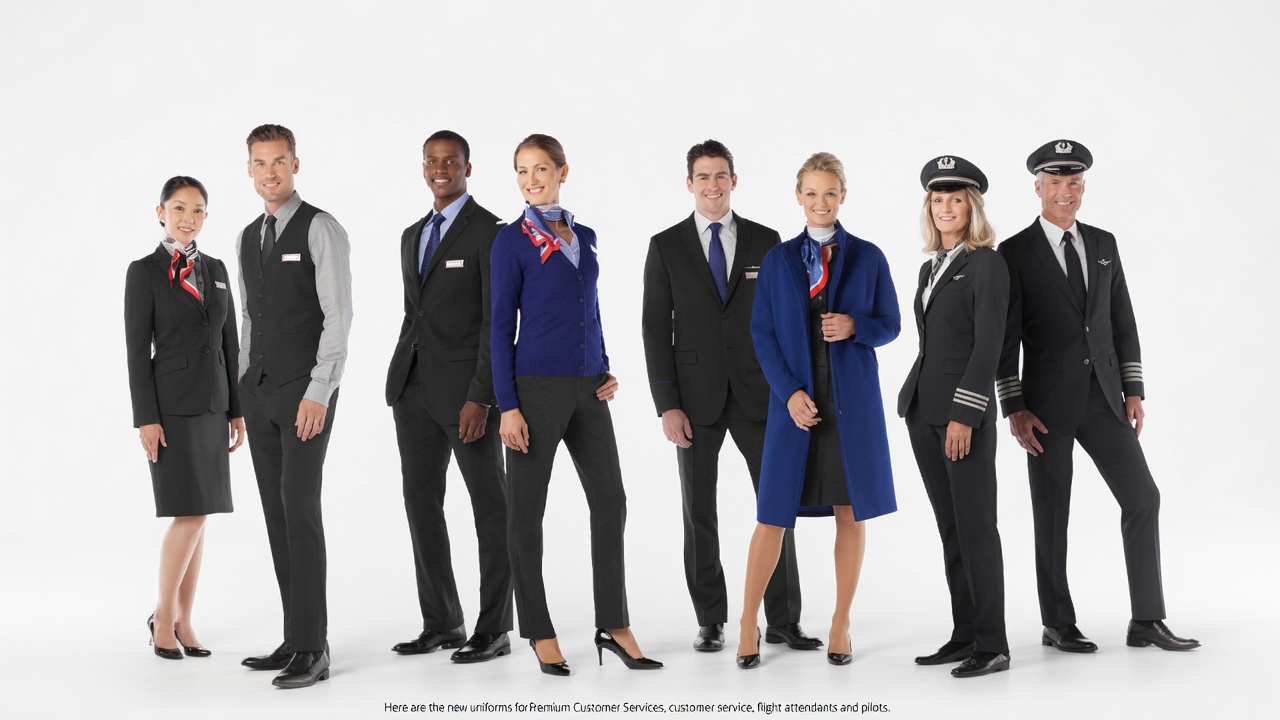
American Airlines' 2016 uniform rollout sparked a decade-long legal battle that concluded this week with disappointing news for thousands of affected employees. A federal appeals court ruled that workers could not prove their health complaints stemmed from the new uniforms, effectively dismissing a major class-action case.
The uniforms, introduced in 2016, generated widespread complaints from flight attendants, pilots, and ground crew members who reported rashes, respiratory issues, and other physical symptoms. Employees attributed their ailments to materials or manufacturing processes used in the new apparel. The carrier faced significant backlash and had to manage morale issues as staff protested the uniform switch.
The legal proceedings dragged through federal court for a decade as plaintiffs sought damages and compensation for their alleged injuries. The case hinged on whether expert testimony could conclusively link the uniforms to documented health problems. The appeals court determined that the employees' expert evidence did not meet the threshold required for admissibility in federal court, effectively blocking their claims from reaching a jury.
This ruling represents a major victory for American Airlines in defending itself against liability claims. The airline had maintained that the uniforms met industry standards and safety requirements, though it did eventually phase in alternatives for some employees who reported severe reactions.
The decision carries implications for workers pursuing similar claims against employers over uniforms, equipment, or workplace materials. Without robust expert testimony that definitively proves causation, these cases face steep evidentiary hurdles in federal court.
For American Airlines employees who experienced symptoms, the appeals court ruling closes one avenue for legal recourse. Some workers may still pursue individual claims or explore other legal channels, but the class-action path that promised broader compensation relief has ended. The carrier can now move forward without the threat of a major judgment, though the uniform controversy remains part of its recent corporate history.