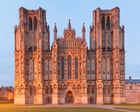
Wells, Somerset emerges as a standout alternative for travellers seeking charm without Bath's crowds. The cathedral city featured prominently in the film Hot Fuzz, drawing fans eager to trace locations from the comedy. Visitors discover a compact, walkable destination packed with medieval architecture and historic landmarks.
The Wells Cathedral dominates the cityscape with its gothic splendour and one of Britain's oldest functioning clocks, dating to the late 14th century. Beyond the cathedral, the city rewards exploration on foot, revealing narrow streets, timber-framed buildings, and quieter squares that Bath's more commercial corridors often lack.
This trend reflects broader UK travel patterns. Travellers increasingly bypass obvious major destinations for secondary cities offering authenticity and fewer coach tours. Film locations drive significant visitor interest. Hot Fuzz's Somerset setting joins other media-driven tourism hotspots like the Yorkshire Dales (Happy Valley) and Northumberland (Hadrian's Wall), where television and cinema create new discovery pathways for British tourists.
Wells attracts those seeking medieval history without premium pricing. Accommodation ranges from budget guesthouses to mid-range hotels, while the compact centre eliminates expensive taxi journeys. Day visits from Bath remain viable, but staying overnight allows proper exploration and evening atmosphere when tour groups depart.
The shift toward secondary UK destinations reflects post-pandemic travel patterns. Visitors prioritise authenticity and local atmosphere over ticking off famous checkboxes. Wells satisfies both criteria. Its cathedral and medieval town centre justify heritage tourism credentials, while its modest size and fewer international visitors preserve character that overcrowded destinations lose.
Readers sharing their discoveries highlights changing travel journalism. User-generated tips now compete with traditional guidebooks, particularly for UK travel where locals identify overlooked gems faster than professional writers. This democratisation helps independent travellers access insider knowledge previously confined to travel columnists.
For summer 2026