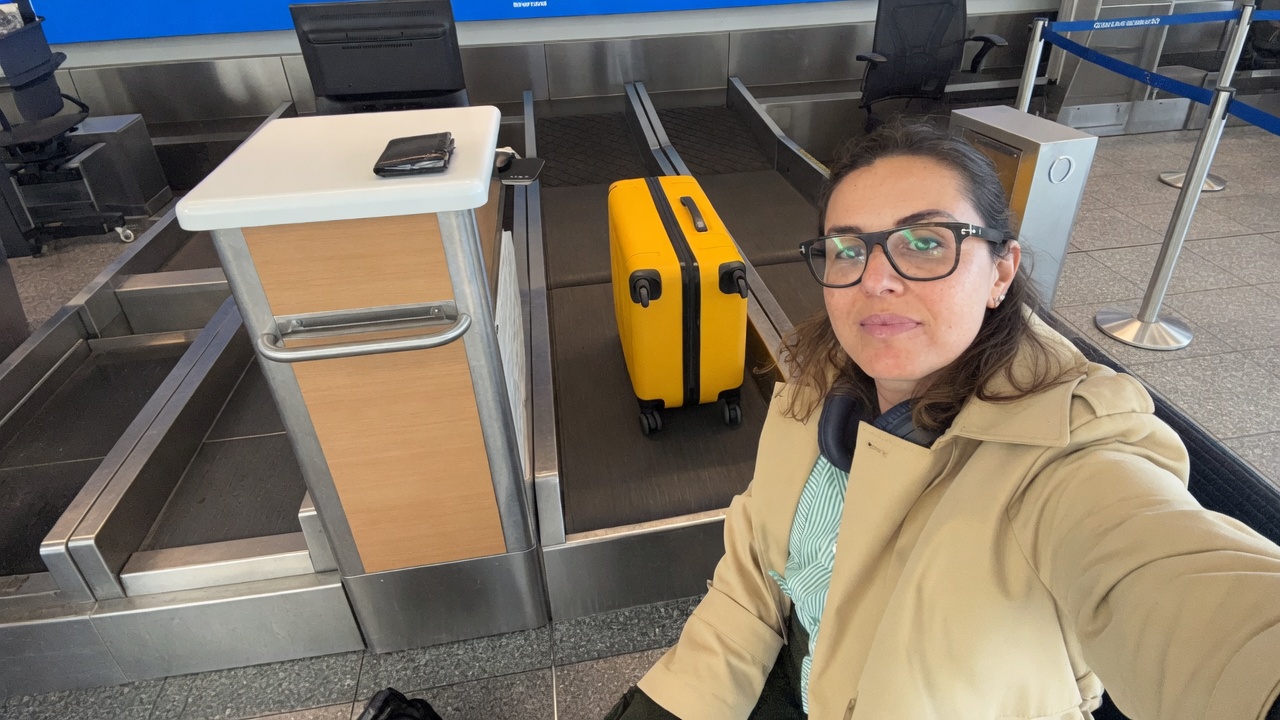
British Airways blocked wheelchair user Samanta Bullock from boarding a New York to London flight, citing concerns she might need bathroom assistance while traveling solo. The airline refused to let her fly despite her independence and experience traveling alone globally.
Bullock says BA conflated two distinct issues: aisle-chair assistance, which airlines legally provide, with personal care help, which regulations prohibit passengers from receiving mid-flight. American Airlines asked identical questions about her needs on a similar transatlantic route but approved her travel. BA did not.
The incident reveals confusion within British Airways operations about disability accommodation requirements. Airlines must provide aisle chairs to help wheelchair users navigate narrow aircraft aisles. This constitutes mechanical assistance, not personal care. Bathroom access aboard aircraft typically requires aisle-chair deployment by crew members, which falls squarely within airline responsibility rather than prohibited personal assistance.
Bullock's experience underscores persistent barriers disabled travelers face. While the Americans with Disabilities Act and similar international regulations mandate reasonable accommodations, enforcement remains inconsistent. Major carriers handle identical situations differently. American Airlines' willingness to accommodate Bullock versus BA's refusal demonstrates how policy interpretation varies between operators.
For travelers with mobility needs planning transatlantic flights, this case matters. BA's decision effectively prohibited Bullock from exercising her right to travel independently, a violation of disability rights principles. Other passengers report similar discrimination from British Airways in recent years, suggesting systemic rather than isolated problems.
Bullock's case highlights why disabled travelers must document interactions, understand their rights under relevant disability laws, and escalate complaints through formal channels. The Civil Aviation Authority, which oversees UK carriers, received this complaint. BA now faces potential regulatory action and reputational damage.
Prospective passengers requiring mobility assistance should contact airlines in writing before booking, requesting written confirmation of accommodations. American Airlines, United, and other carriers have demonstrated they can accommodate