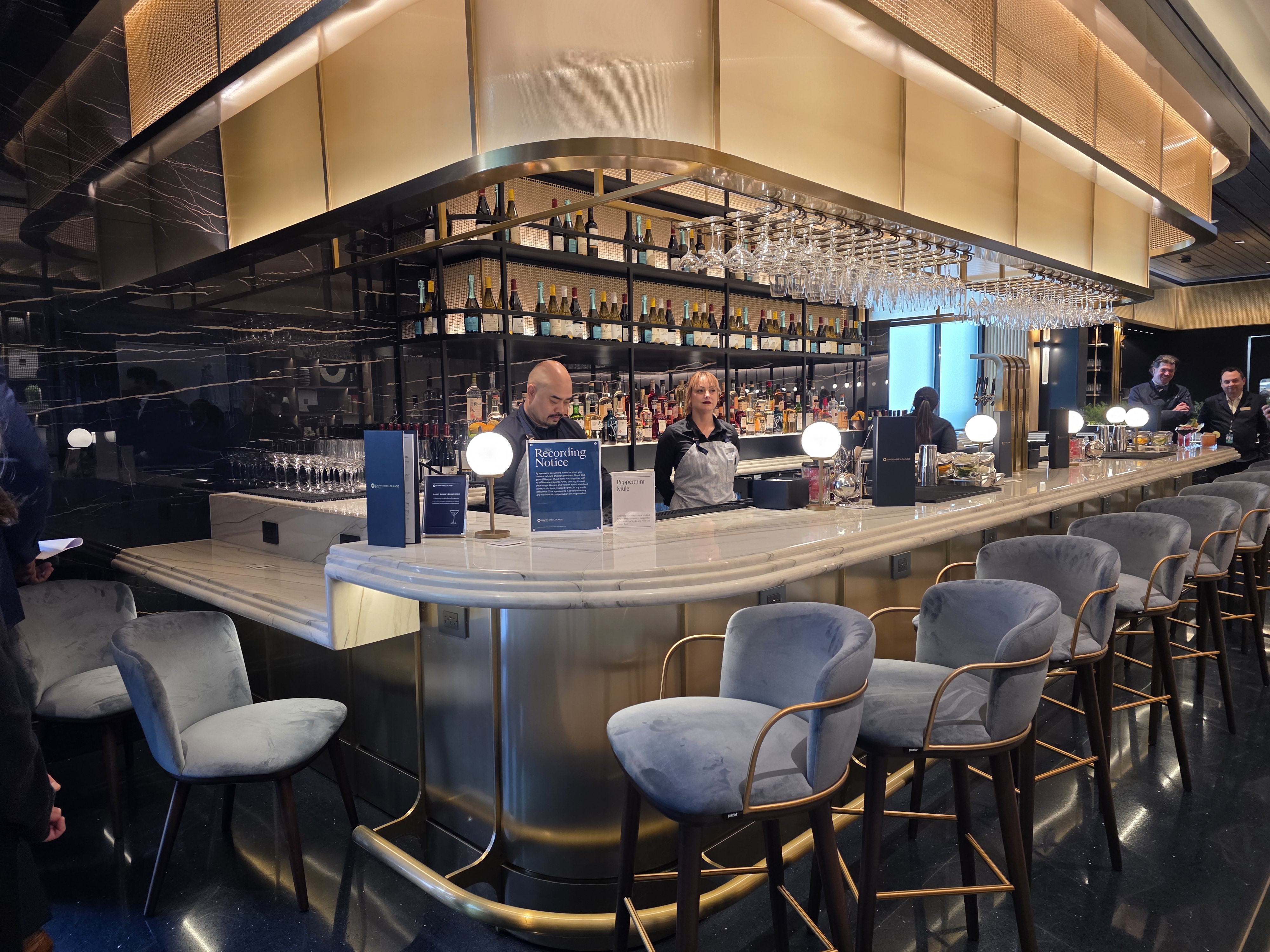
Chase secured exclusive rights to operate a premium lounge at Miami International Airport's E Concourse, outbidding Capital One with a 15-year deal worth nearly $94 million to the airport. The 13,793-square-foot Sapphire Lounge will serve cardholders of Chase's premium credit card portfolio, extending the bank's growing footprint in airport hospitality.
The competitive bidding process reveals a fundamental shift in how airports evaluate lounge operators. While design and guest experience remain important factors, revenue generation has become the decisive metric. Chase's substantial financial commitment to Miami International Airport beat out rivals, demonstrating that airports now prioritize guaranteed income streams over operational promises.
Chase's Sapphire brand already operates premium lounges at major hubs including New York-LaGuardia, Los Angeles, and San Francisco. This Miami expansion reinforces Chase's strategy of embedding its credit card products directly into the airport experience. Cardholders access these spaces at no additional cost beyond their annual card fees, typically ranging from $395 to $550 for Chase's elite Sapphire Reserve card.
Capital One, which operates its own lounge network including venues at Dallas-Fort Worth and Denver, lost this particular competition. The loss underscores how financial firepower increasingly determines airport lounge real estate allocation. Miami International Airport's leadership clearly favored Chase's bid structure, which likely included higher annual minimum payments or more aggressive revenue projections.
For travelers, this concentration of premium lounge space among major credit card issuers means fewer independent or airline-operated options at major hubs. Chase's expansion particularly benefits frequent flyers who hold their premium cards and travel through Miami regularly. The lounge design will likely follow Chase's established template: high-end furnishings, premium food and beverage service, shower facilities, and technology-focused amenities.
The $94 million