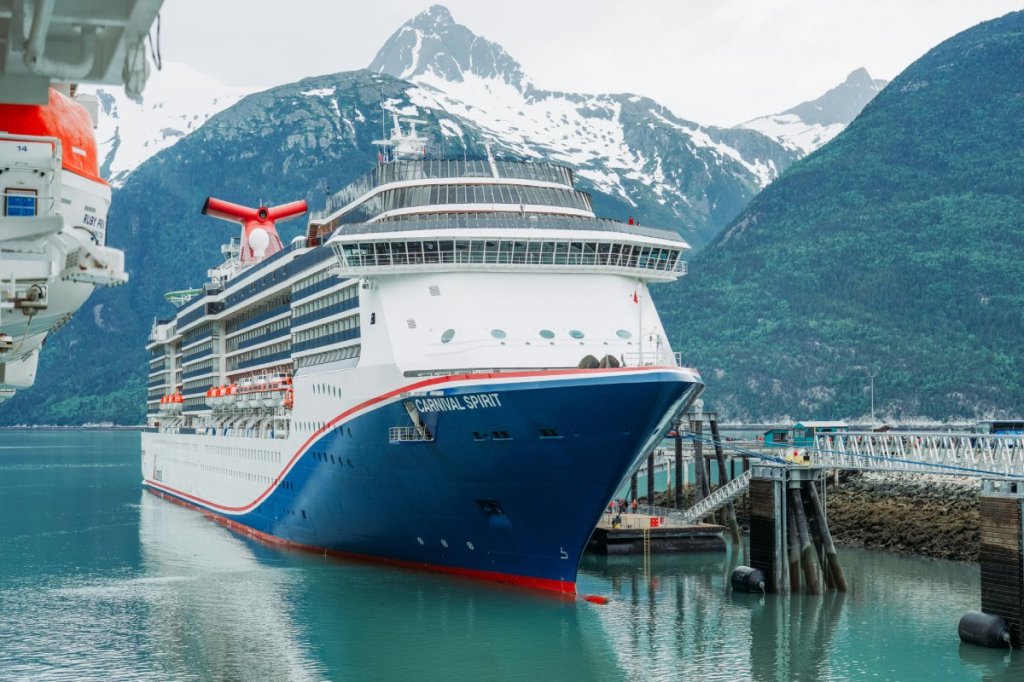
Cruise lines are driving July Fourth travel to record numbers, but the headline hides a troubling reality. Remove cruise passengers from the equation, and holiday travel growth becomes negligible.
This trend reflects how cruise operators have dominated U.S. holiday getaways over the past several years. Major cruise lines including Carnival Corporation, Royal Caribbean, and Norwegian Cruise Line have positioned July Fourth sailings as the centerpiece of summer vacation planning. These operators pack ships with families seeking all-inclusive escapes, generating massive passenger volumes that inflate overall travel statistics.
The data matters for travel professionals and leisure planners. If cruises account for the majority of growth, traditional hotel bookings, airfare demand, and land-based vacations remain stagnant. This creates a two-tier travel market. Cruise passengers enjoy economies of scale and bundled pricing. Land-based travelers face softer demand, potentially translating to better hotel rates but fewer airline seat sales.
July Fourth 2024 sailings from ports like Miami, Port Canaveral, Galveston, and New York have sold aggressively. Caribbean and Bahamas itineraries dominate the holiday wave, with seven-day voyages commanding premium positioning during the peak week. Cruise fares for this period remained elevated despite economic headwinds affecting other travel segments.
The broader implication shifts travel industry focus. Cruise lines expand fleet capacity while traditional hospitality struggles to drive occupancy. Airlines see steady passenger loads but lack pricing power. Beach resorts and mountain lodges compete harder for the shrinking non-cruise market.
For travelers planning summer holidays, cruising remains the path of least resistance. The all-inclusive model eliminates daily decision-making about meals, entertainment, and activities. Families with children particularly gravitate toward cruise packages. However, independent travelers seeking flexibility or specific destinations face fewer competitive offerings and less aggressive pricing from traditional accommod