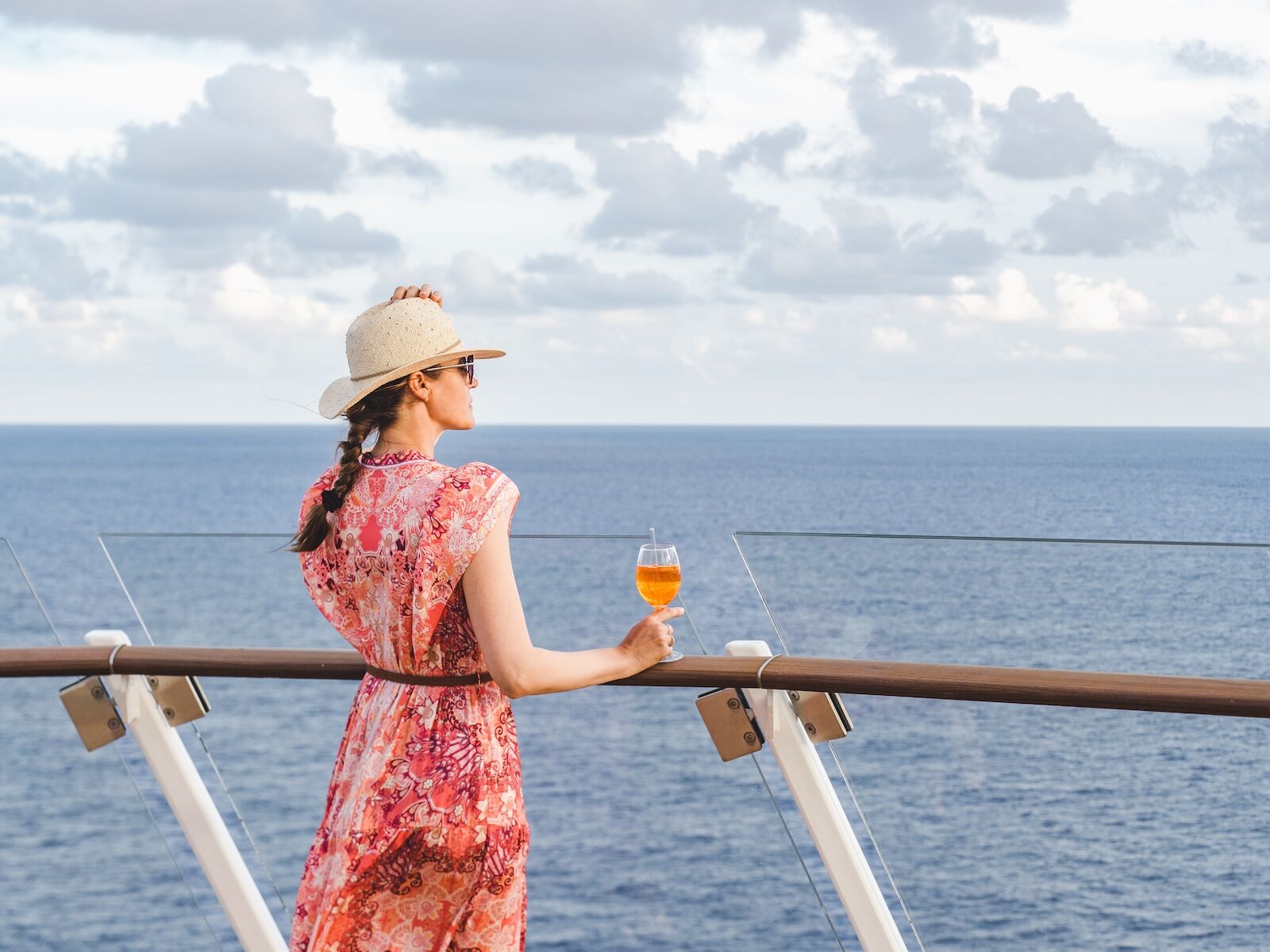
Repositioning cruises represent a deliberate shift away from the typical port-heavy itinerary. These voyages occur when cruise lines move their ships between seasonal destinations, typically in spring and fall. Rather than cramming multiple ports into a week, repositioning cruises offer extended days at sea with fewer stops.
The appeal lies in a completely different cruise experience. Passengers spend substantial time aboard the ship itself, enjoying pools, spas, theaters, restaurants, and entertainment venues without the constant pressure to disembark. This suits travelers seeking relaxation over sightseeing, families wanting unstructured time together, and anyone fatigued by the typical five-port-in-seven-days model.
Cruise lines including Carnival, Royal Caribbean, Disney Cruise Line, and Norwegian Cruise Line operate these sailings regularly. A typical repositioning cruise might sail from the Caribbean to New England in autumn or from Alaska back to California in early fall. Voyages often span 10 to 14 days, providing genuine serenity at sea.
Pricing on repositioning cruises varies significantly. Some lines offer aggressive discounts to fill cabins during transition periods. A 12-day Atlantic crossing might cost less per night than standard Caribbean sailings, particularly if booked during wave season (January through March). However, luxury lines like Cunard position their ships at premium rates, commanding higher daily rates for extended ocean voyages.
The catch? Limited port variety. A transatlantic repositioning offers fewer Caribbean islands and more open ocean. Passengers miss the typical island-hopping excitement. Weather also becomes a factor on northern routes. Spring Atlantic crossings risk choppy seas, though larger ships like Royal Caribbean's Icon or Disney's Dream handle conditions better.
For travelers prioritizing ship amenities, onboard dining quality, and genuine rest, repositioning cruises deliver exceptional value. They reject the cruise industry's