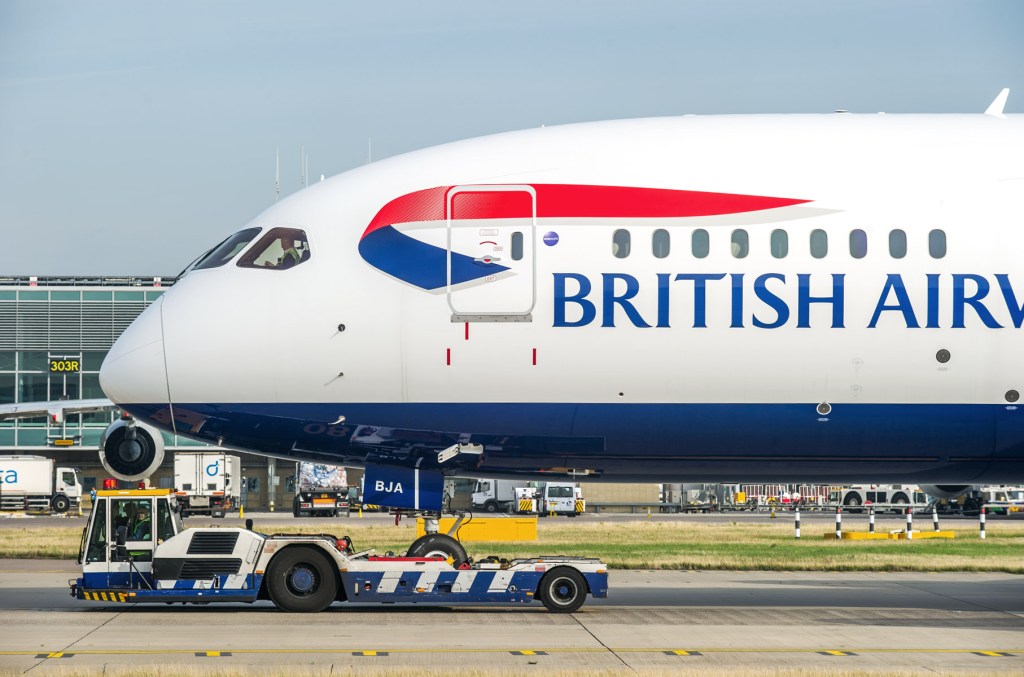
British and Australian governments lifted their travel warnings for Gulf destinations this week, signaling improved security conditions in the region. However, the removal of official advisories represents only half the battle for airlines eager to resume services.
European carriers remain grounded because war-risk insurance providers have not yet granted clearance. Airlines operating from EU member states cannot legally fly routes without proper insurance coverage. The distinction matters enormously for travelers planning Gulf trips.
Airlines from the UK and Australia can resume operations faster now that their home governments have downgraded threat assessments. Carriers like British Airways and Qantas face fewer regulatory hurdles for routes serving Dubai, Abu Dhabi, and Doha. These airlines can activate suspended services to Emirates and Qatar Airways hubs almost immediately.
European airlines face a different timeline. Carriers including Lufthansa, Air France, and KLM depend on war-risk insurance underwriters to validate that geopolitical conditions warrant coverage resumption. Insurance companies operate independently from government advisories. They assess risk using different metrics and timelines. Until insurers issue clearance, European operators cannot legally deploy aircraft to these routes, regardless of government permission.
The insurance lag creates competitive advantages. UK-based carriers gain first-mover status on transatlantic connections through Gulf hubs. Australian airlines can rebuild market share on Asian routes faster than European competitors. Passengers booking from Europe may face limited Gulf options while alternative routes through Southeast Asian hubs remain operational.
War-risk insurance typically covers aircraft damage from hostile acts, terrorism, or military conflict. Underwriters price premiums based on real-time threat assessments. The Gulf region, particularly around the Strait of Hormuz, remains sensitive to geopolitical shifts. Insurance companies move cautiously when resuming coverage, protecting their own exposure.
Travel agents expect clearance within days or weeks, not months, based on recent patterns in similar situations. Once European