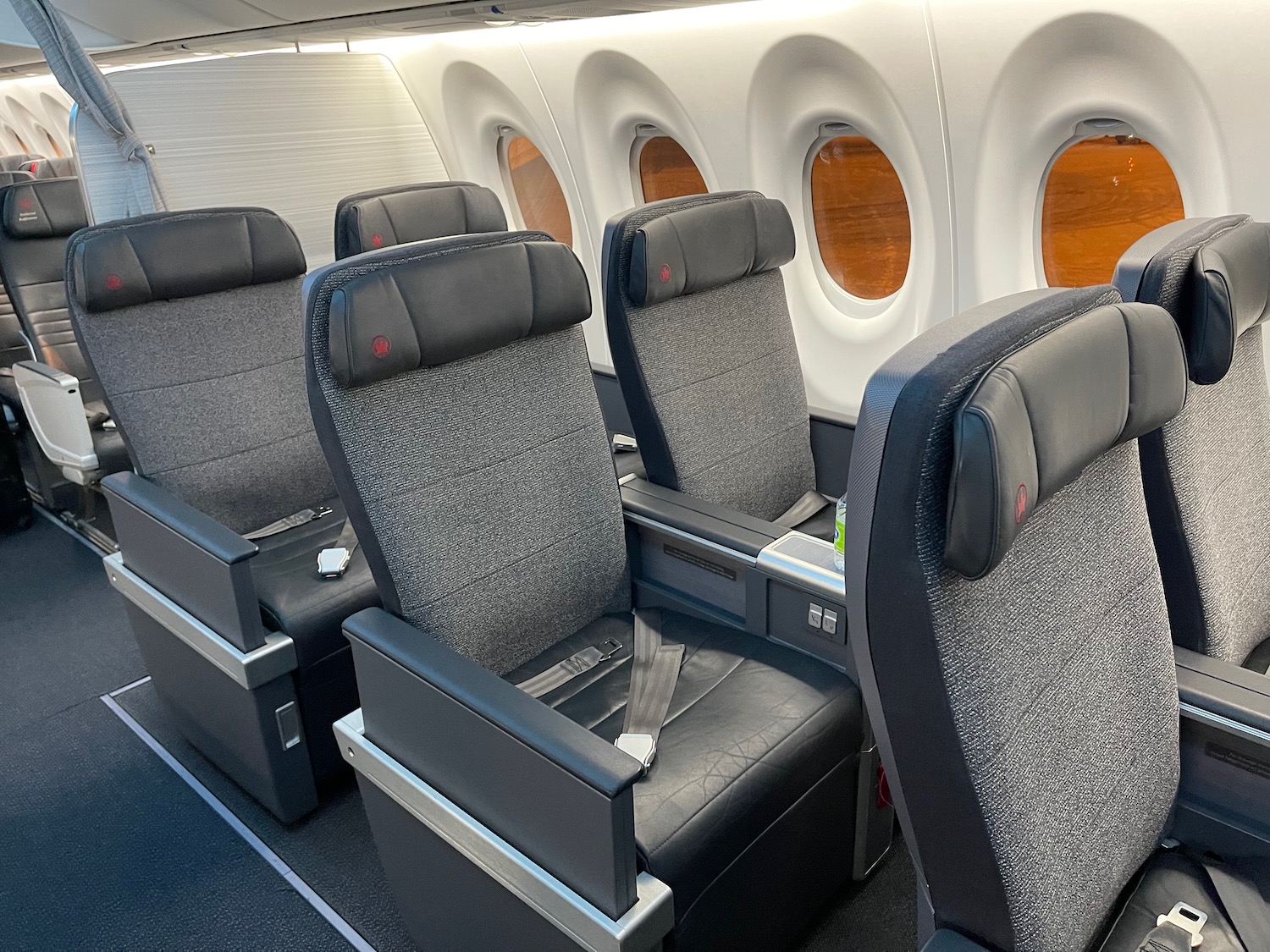
Air Canada's Chief Operating Officer took an unconventional approach to customer service recovery when a business class passenger lost her seat due to a flight delay and rebooking. The passenger found herself downgraded and frustrated at the gate when she struck up a conversation with another traveler about airline elite status programs. That traveler revealed himself as Air Canada's COO, who immediately offered her his business class seat, taking a downgraded position himself.
The incident highlights the unpredictable nature of airline operations during disruptions and the gap between elite customer service promises and ground-level execution. Business class passengers expect seat guarantees, yet operational disruptions frequently force airlines to reshuffle bookings. Air Canada's move reflected both the airline's commitment to retention of high-value customers and the personal touch sometimes required to smooth over service failures.
For business class travelers on Air Canada, this story underscores the value of elite status conversations and networking at airports. The passenger's willingness to engage with a fellow traveler transformed her experience from disappointment to premium travel. Air Canada itself benefits from the goodwill generated by an executive's direct intervention, though the broader lesson suggests systemic improvements to rebooking protocols might prevent such situations entirely.
Business class fares on Air Canada routes between major Canadian hubs and American destinations typically range from $800 to $2,500 one-way, depending on timing and route. The downgrade she initially faced would have cost her access to lie-flat seating, premium meals, and priority baggage handling. Her recovery through the COO's gesture restored not just her seat but her confidence in the carrier's commitment to top-tier passengers.
For frequent flyers planning premium cabin bookings with Air Canada, this incident reveals both risks and possibilities. While you cannot depend on executive intervention, the story demonstrates that airline leadership monitors customer experiences and responds when visibility increases. Travelers should maintain composure during