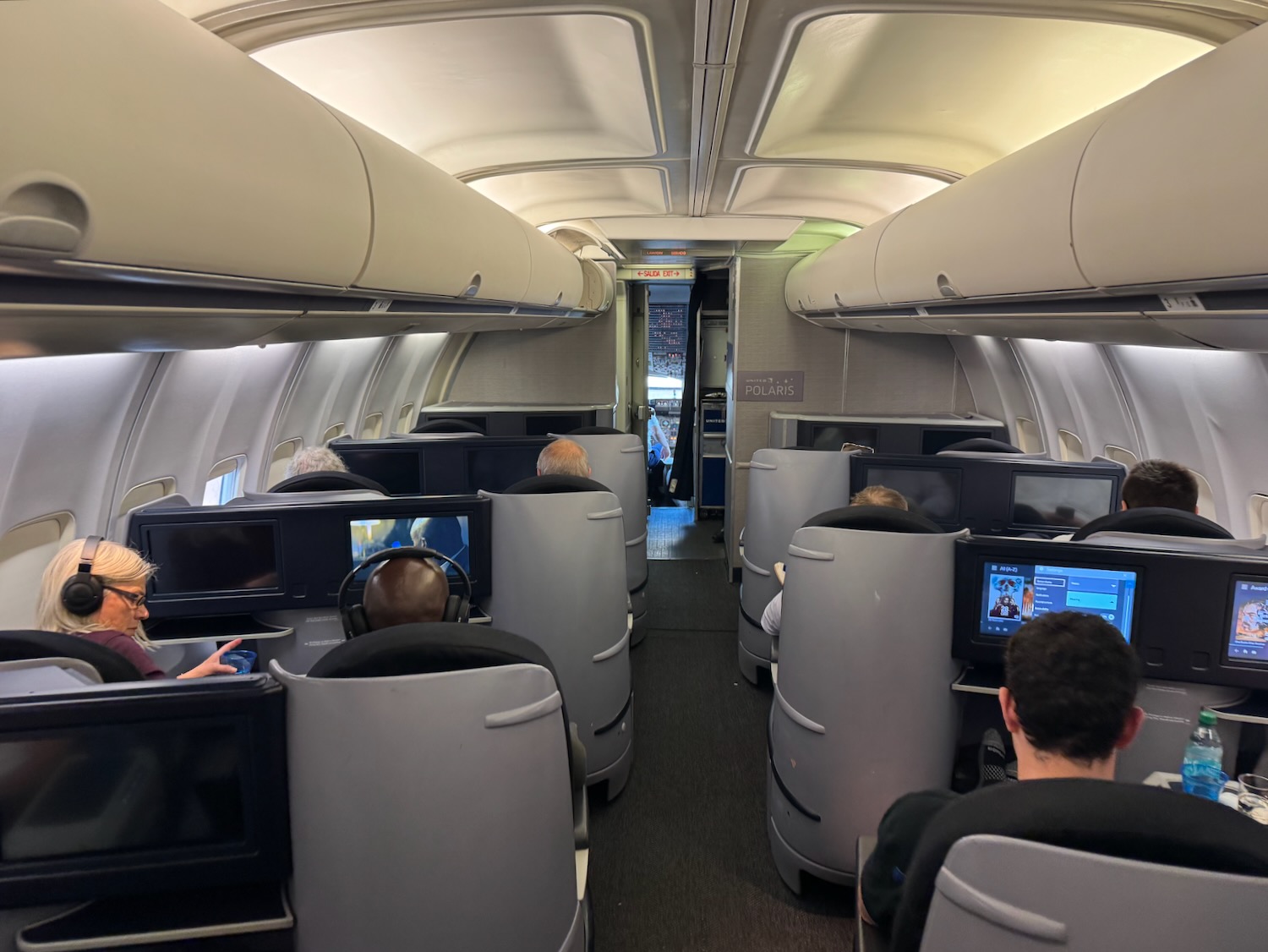
United Airlines deployed a Boeing 757-200 with lie-flat business class seating on a short domestic route from Newark (EWR) to Chicago (ORD), demonstrating the carrier's strategy of placing premium cabin products on regional flights. The aircraft's business class seats made a significant difference during an extended flight delay, offering passengers comfortable resting space while waiting on the tarmac.
The 757-200 remains one of United's workhorses for domestic transcontinental service. This narrow-body jet typically carries around 180 passengers total, with business class occupying the forward cabin. The lie-flat seat configuration transforms the aircraft from a standard domestic workhorse into a premium experience, though the EWR-ORD route represents a roughly three-hour flight where such amenities face skepticism from cost-conscious carriers.
United's decision to maintain lie-flat seating on this equipment highlights competitive pressures in the domestic premium market. Rivals like American Airlines and Delta have similarly invested in upgraded cabin products for regional flights as business travelers increasingly expect premium experiences across all flight lengths. The strategy targets corporate accounts willing to pay premium fares for consistent comfort, particularly on hubs like Chicago.
The flight review's focus on how passengers utilized the delay demonstrates real-world travel challenges. Extended tarmac delays frustrate travelers regardless of cabin class, but lie-flat seating provides genuine physical relief during downtime. Business class passengers could recline fully rather than endure the compressed positions of economy seats, a material difference when delays stretch beyond two hours.
For travelers booking between Newark and Chicago, this routing offers a legitimate premium product. United charges business class fares reflecting the enhanced experience, typically $400 to $800 more than economy on this route depending on advance purchase and timing. The value proposition depends on individual priorities. Short-haul business class makes most sense for connecting passengers who use the lie