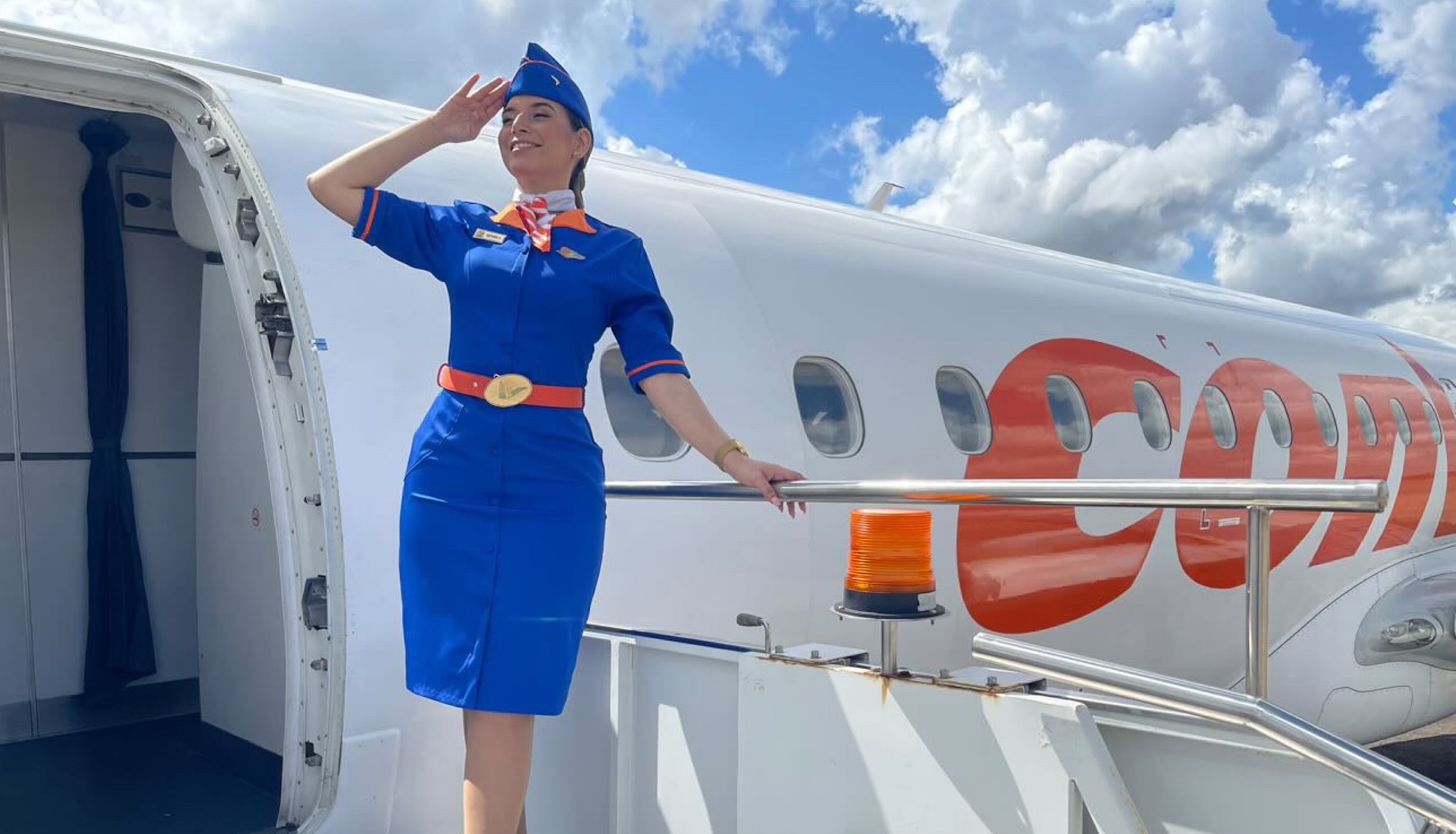
The U.S. Treasury Department issued a new general license that permits American persons and companies to provide aircraft maintenance and airworthiness support to Conviasa, Venezuela's state-owned airline. The move marks a subtle shift in longstanding sanctions against the carrier, though it stops short of allowing the airline to resume direct U.S. operations.
Conviasa has been heavily sanctioned by the United States for years, blocked from accessing American airspace and financial systems. The new license creates narrow flexibility for maintenance work, a practical concession that acknowledges the airline's aging fleet requires ongoing technical support to remain airworthy. This could benefit both Conviasa and American maintenance contractors who previously faced legal barriers to servicing Venezuelan aircraft.
The development arrives as U.S. policy toward Venezuela shows incremental movement. Complete sanctions remain in place, preventing Conviasa from selling tickets to American travelers or operating flights into the United States. The airline cannot access dollars or American banking infrastructure. What changes is the ability of U.S.-based technicians and engineers to keep Conviasa's planes flying safely.
For travelers, the practical impact remains limited. Americans cannot book Conviasa flights for U.S. routes, and the airline offers no Caribbean service connecting to American hubs. The license primarily affects aviation businesses that maintain aircraft. Industry observers view it as a pragmatic acknowledgment that maintaining flight safety standards serves broader interests than maintaining total commercial isolation.
Conviasa operates limited regional service within South America and the Caribbean, heavily reliant on aging aircraft. Better maintenance access could improve reliability and safety records, though the airline cannot expand into North American markets under current restrictions.
This narrowly tailored license suggests the U.S. government distinguishes between maintaining commercial relationships and permitting specific technical support. Full normalization remains distant, but the move signals willingness to adjust sanctions where humanitarian and safety interests align.