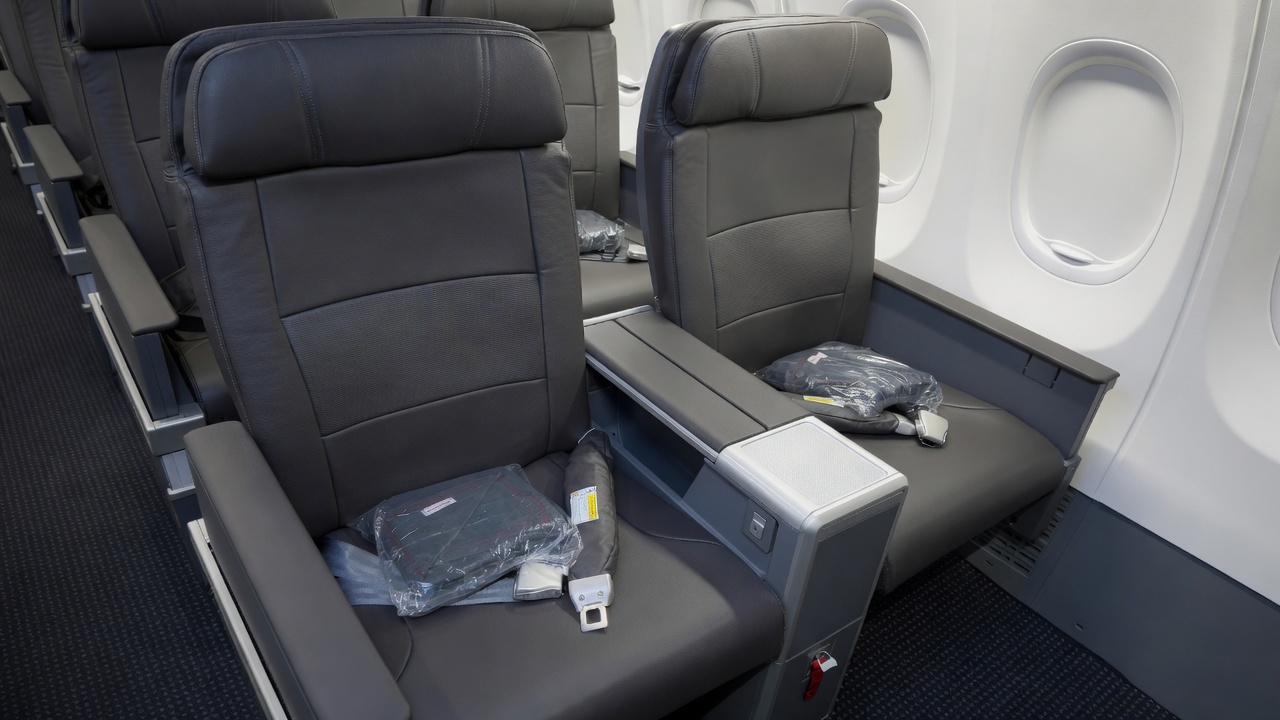
American Airlines passengers regularly witness pilots jumping the first class upgrade queue, a practice that frustrates premium customers waiting for cabin improvements. Deadheading pilots receive priority upgrades under union contracts, allowing them to board in premium cabins while paying passengers remain in economy.
The problem extends across the industry. United, Delta, and Alaska Airlines maintain similar crew prioritization systems, but they obscure the process from passenger view. American's transparency makes the disparity visible, while competitors keep upgrade mechanics opaque.
This reflects a broader shift in airline operations. Union contracts increasingly dictate cabin allocation, often superseding customer revenue and loyalty status. Pilots traveling between scheduled flights receive preferential treatment over customers who purchased premium fares or hold elite frequent flyer status.
The tension highlights competing interests in modern aviation. Airlines balance labor agreements with customer expectations. Pilot rest and crew logistics genuinely matter for safety and operations. However, when a paying first class passenger gets bumped by a deadheading pilot, the airline prioritizes contractual obligations over revenue generation.
United and Delta obscure this hierarchy through opaque upgrade algorithms that don't display crew priority publicly. American's system visibility creates passenger resentment when they watch the sequence unfold in real time. All three carriers face the same structural reality: union agreements lock in crew privileges that trump customer status.
For frequent travelers, this means upgrade prospects diminish across the industry. Whether flying American, United, or Delta, your first class upgrade chances compete against crew scheduling needs. Alaska Airlines shows the same pattern despite appearing more customer-friendly in other areas.
Airlines argue crew rest and positioning needs mandate these priorities. Pilots cannot skip premium seating while traveling between assignments. Yet the implementation reveals how modern airlines increasingly serve union interests ahead of customer revenue. This contractual structure will persist unless carriers renegotiate agreements or introduce separate premium crew positioning options.
Savvy travelers should expect upgrades to become scar