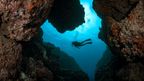
Japan's diving tourism sector has found an unexpected conservation angle. A new specialized diving course transforms holiday divers into citizen scientists documenting shark populations around Japanese waters.
The initiative pairs recreational diving operators with marine research institutions to collect real-time shark data during tourist dives. Participants complete training that teaches them to identify species, record behavior, and document sightings using underwater photography and slates. Operators based in popular diving destinations like Okinawa and the Izu Islands lead these missions, charging standard dive fees while contributing to long-term population studies.
This model addresses two industry pressures simultaneously. Marine scientists gain access to vast geographic areas without expensive research expeditions, while diving operators differentiate their offerings in a competitive market. Tourists receive authentic scientific purpose alongside their holiday experience. The data collected identifies breeding grounds, migration patterns, and species vulnerable to overfishing.
Japan's shark populations face mounting pressures from industrial fishing operations and warming ocean temperatures. Traditional research budgets cannot cover comprehensive monitoring across the country's extensive coastline. Tourist-led data collection expands sampling capacity dramatically at minimal cost.
The program works because it requires minimal additional training and fits naturally into existing dive itineraries. Most recreational divers already carry cameras underwater. The course simply channels this activity toward documented observation rather than casual vacation footage.
Operators report increased bookings since launching shark-focused packages. Divers willing to pay premium rates for conservation-oriented experiences outnumber those seeking standard reef tours in several locations. This economic shift encourages more operators to adopt similar programs.
The initiative echoes broader tourism industry trends toward experiential travel with environmental impact. Travelers increasingly seek trips that combine leisure with purpose. Conservation-focused activities command premium pricing and generate repeat bookings, making them attractive to operators facing thin margins.
Success metrics remain limited at this early stage, but preliminary data collection from six months of dives across three regions shows promise.