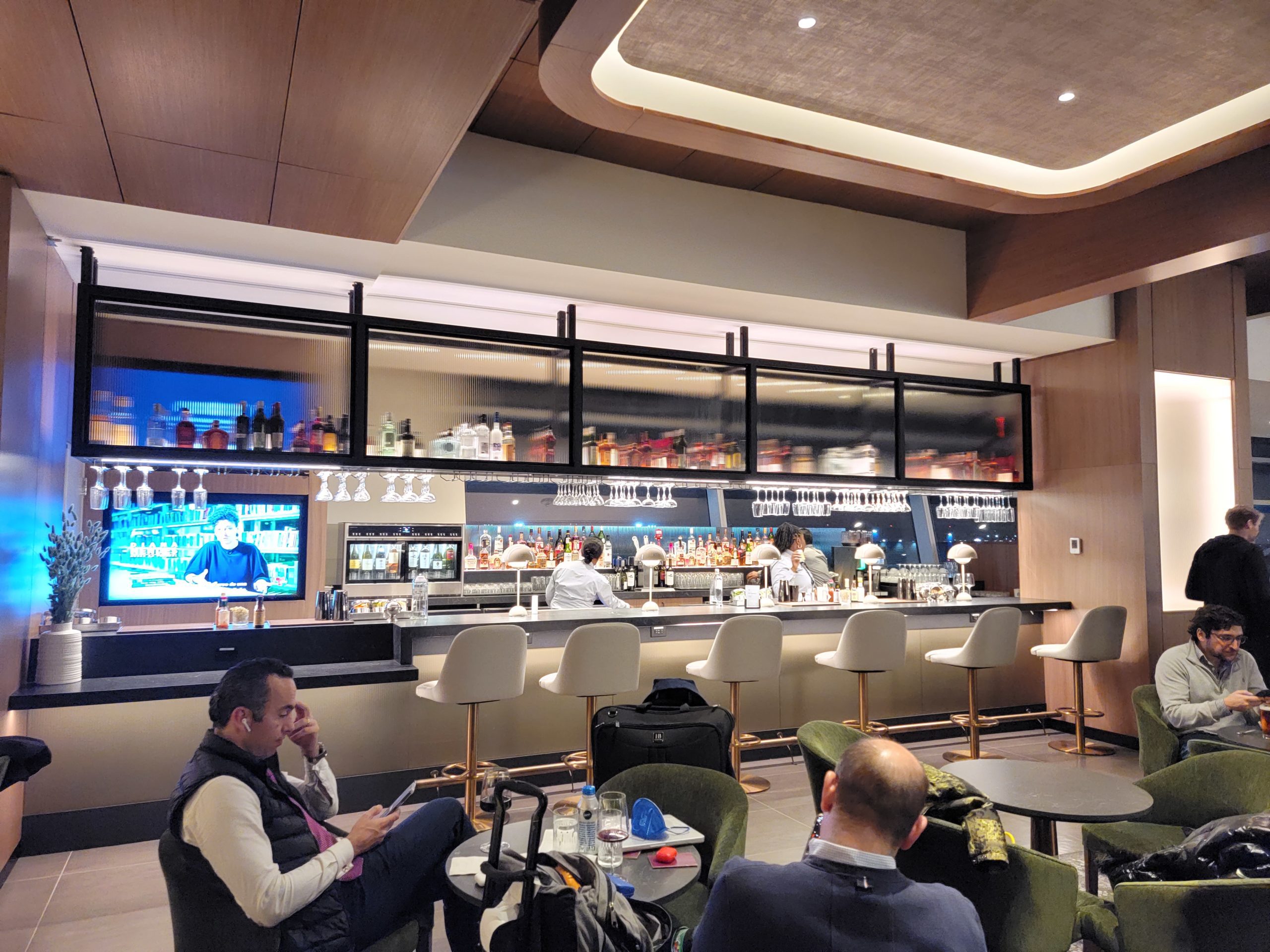
Michigan is poised to become the first state offering 24-hour airport bar service, with lawmakers advancing legislation that fundamentally changes how travelers can access and consume alcohol at aviation hubs. The bills would permit airport bars to operate around the clock and allow passengers to carry drinks through terminals, circumventing Michigan's standard overnight alcohol restrictions.
The proposal represents a significant shift in airport hospitality. Currently, Michigan enforces statewide alcohol service limits that close bars during overnight hours. The airport exemption would apply only to aviation facilities, creating a distinct regulatory zone for travelers.
Detroit Metropolitan Airport and Gerald R. Ford International Airport in Grand Rapids would be the primary beneficiaries of this change. These major Michigan hubs serve thousands of early morning and late night travelers who currently cannot purchase alcoholic beverages during restricted hours. The new rules would let bars serve continuously while permitting passengers to carry drinks beyond the bar area through security checkpoints and into terminals.
However, the legislation contains ambiguities. The current drafting remains unclear on whether sealed retail bottle sales would qualify under the exemption, or whether travelers could consume alcohol after-hours in terminal seating areas. These gaps could complicate enforcement and create confusion among airport operators and passengers.
The move reflects broader trends in airport hospitality. Major U.S. airports increasingly view food and beverage revenue as critical profit centers. Twenty-four-hour bar service aligns with evolving traveler expectations, particularly for passengers on early morning departures or overnight connections. Airlines like Southwest and United operate extensive pre-dawn schedules from Michigan airports, creating demand for morning alcohol service.
The proposal faces remaining legislative hurdles before becoming law. Clarifying language around sealed bottle sales and consumption zones remains necessary. Industry observers note that successful implementation requires coordination between airport authorities, bar operators, and TSA officials regarding alcohol transport through security checkpoints.
If passed, Michigan would differentiate itself in the competitive airport