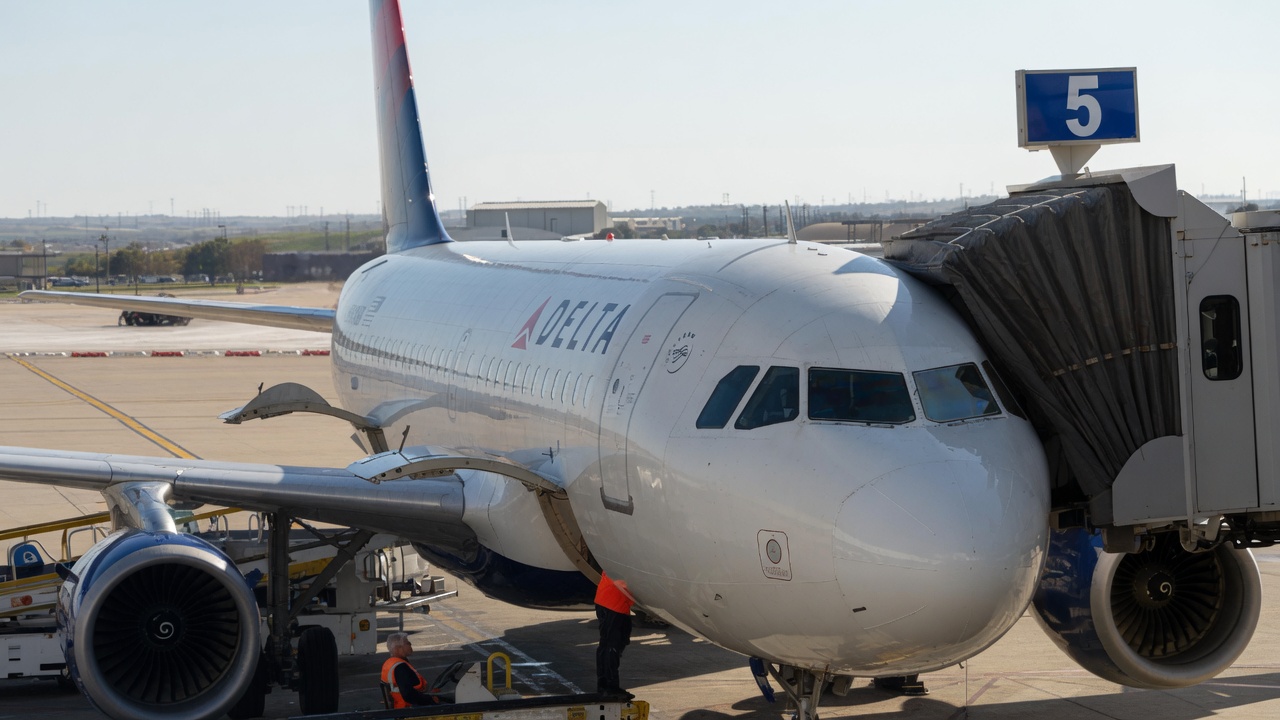
A dangerous runway incursion nearly occurred at Boston Logan International Airport when air traffic control cleared an American Airlines aircraft for takeoff while Delta pilots were on final approach to an intersecting runway. The Delta crew executed a go-around, aborting their landing to avoid a potential collision.
The incident exposed a critical lapse in tower communication. After clearing American for departure, the controller then asked the American flight, "Where are you going?" - a question that should have been answered before issuing takeoff clearance. This sequence suggests the controller may not have properly verified the American jet's flight plan before authorizing runway use.
Go-arounds happen regularly in aviation, but runway incursions involving active takeoff clearances represent serious safety risks. The National Transportation Safety Board classifies such events as potential loss-of-separation incidents. At Boston Logan, a major East Coast hub handling hundreds of daily operations, the stakes run high during peak hours when multiple aircraft operate simultaneously across intersecting runways.
This incident highlights growing concerns about air traffic control staffing levels and controller fatigue across major U.S. airports. Boston's control tower, like many facilities nationwide, operates with staffing below optimal levels. Controllers managing complex terminal airspace must track dozens of aircraft simultaneously while issuing clearances, monitoring weather, and coordinating with ground operations.
The Federal Aviation Administration investigates all reported runway incursions. Delta's experienced pilots, trained extensively in emergency procedures, caught the developing conflict and initiated their go-around before entering the American aircraft's departure path.
For travelers, such incidents underscore why commercial aviation remains statistically safe despite occasional controller errors. Redundant safety systems, pilot training, and traffic collision avoidance technology (TCAS) function as layers of protection. The Delta crew's quick response exemplifies standard operational procedure when clearances appear unsafe.
Boston Logan passengers on the delayed Delta flight experienced only the minor inconvenience