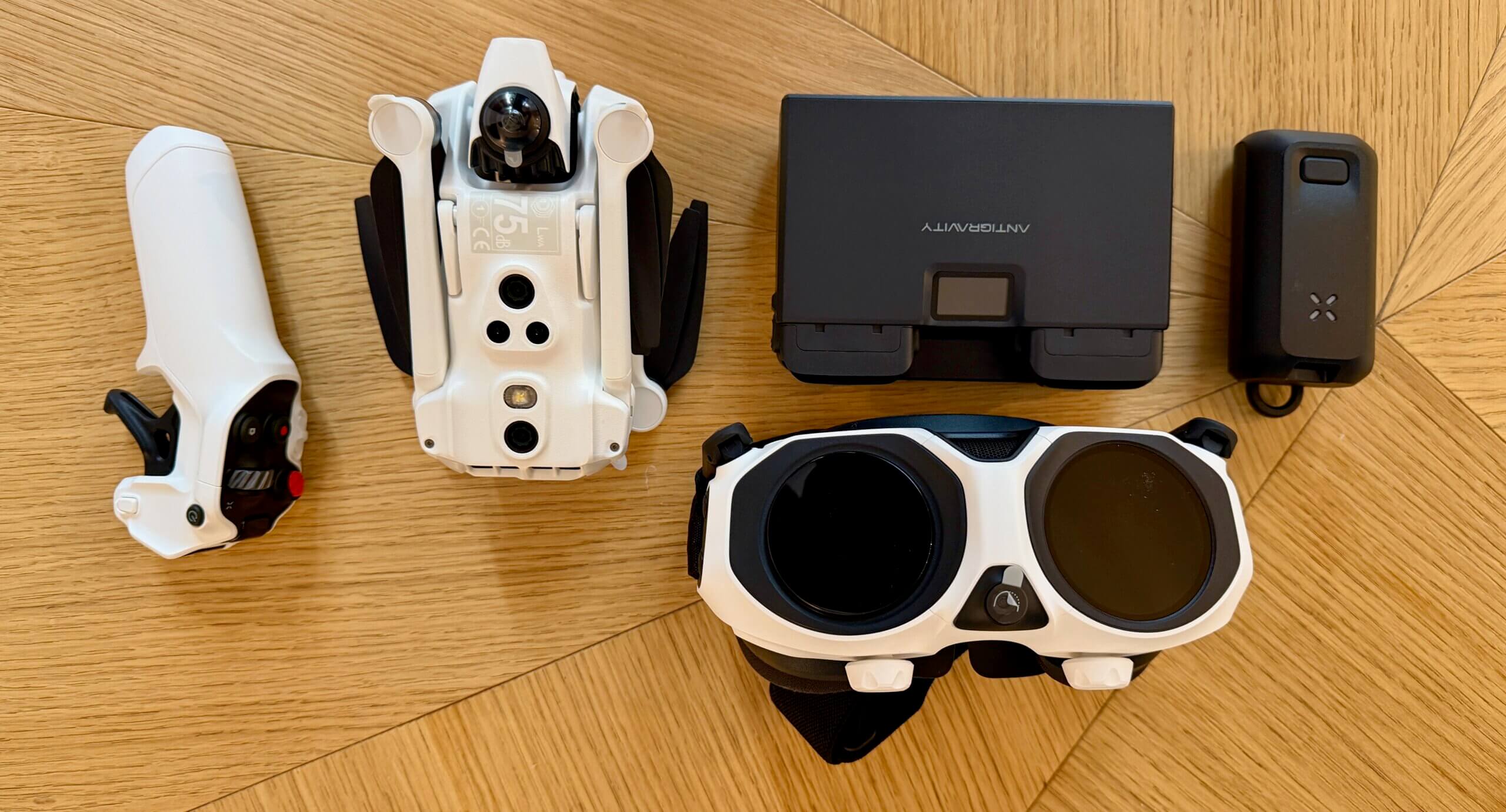
The Antigravity A1 drone, launched in late 2025, represents a shift in how travelers capture their journeys. This compact aerial device delivers high-resolution footage that transforms standard travel photography into cinematic content worthy of professional travel blogs and social media.
Travel photographers increasingly pack drones for road trips and destination visits. The Antigravity A1 enters a competitive market dominated by DJI, Skydio, and Auterion, but brings fresh engineering to portable aerial imaging. The device promises enhanced stabilization and battery life, making it practical for multi-day trips across varied terrain.
Regulatory challenges remain real. Most countries require drone registration, restrict flights near airports and populated areas, and demand line-of-sight operation. The FAA in the United States, EASA across Europe, and similar bodies worldwide maintain strict guidelines. Travelers must research local regulations before packing any drone.
The practical advantage lies in perspective. Whether capturing sweeping vistas of national parks like Yosemite or Grand Canyon, coastal drives along California's Pacific Coast Highway, or urban exploration in Barcelona or Tokyo, drones add production value to travel documentation. Content creators gain measurable engagement boosts from aerial sequences.
Cost factors in. Quality travel drones range from USD 400 to USD 1,500. The Antigravity A1 positions itself in the mid-range, competing directly with DJI's Air 3S and Mini 4 Pro models. Weight matters for travelers. Most modern drones hover around 249 grams, allowing operation without certain regulatory registration in some jurisdictions.
Battery limitations and weather constraints shape real-world usage. Wind speeds above 25 mph ground most drones. Cold temperatures reduce flight time significantly. Travelers heading to Iceland, Patagonia, or mountain regions should expect reduced operational windows.
For travel journalists, blog