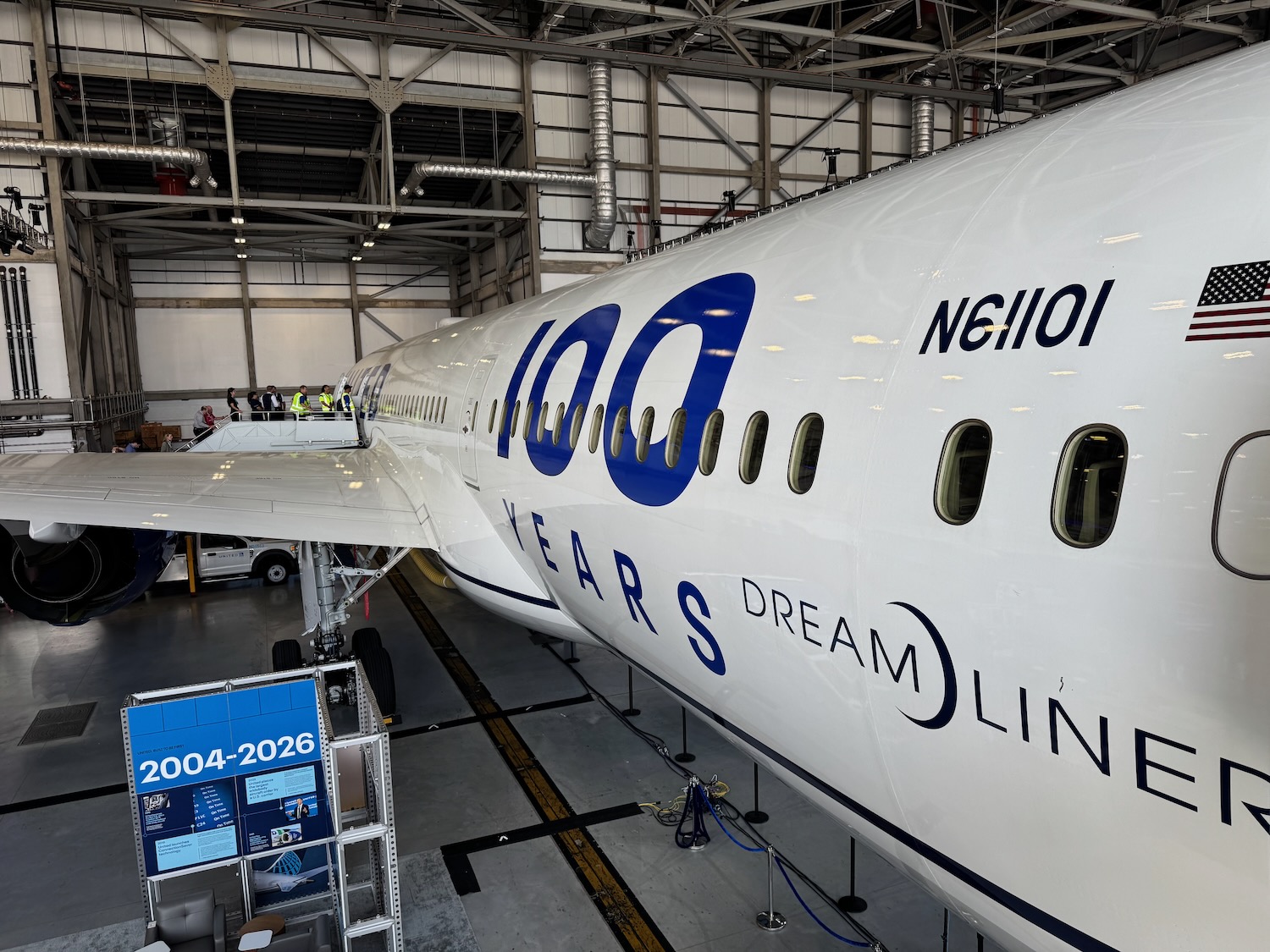
United Airlines has grounded its flagship Boeing 787-9 Dreamliner featuring the new Polaris Studio suites after operational issues forced the aircraft back to Boeing for repairs. The aircraft, which represents United's most ambitious cabin upgrade in years, has been pulled from the airline's schedule.
The 787-9 represents a major step forward in United's premium cabin strategy. The Polaris Studio suites feature direct-aisle access, sliding doors for privacy, and lie-flat beds on long-haul routes. The airline positioned this aircraft as a centerpiece of its product modernization campaign, competing directly with American Airlines' premium cabin offerings on flagship international routes.
The technical issue appears serious enough to disrupt United's operational plans, though the airline has not disclosed specific details about the malfunction. The grounding sends the aircraft back to Boeing's facilities for diagnosis and repair, delaying United's ability to deploy this premium-configured jet on high-revenue international routes where it generates substantial yield.
For premium cabin travelers, this development creates scheduling uncertainty on United's most desirable long-haul flights. Passengers booked on this aircraft will be reassigned to older 787s with legacy business class configurations or other widebody aircraft like the 777, which lack the new Polaris studio amenities.
The incident highlights ongoing challenges Boeing faces with quality control on new aircraft deliveries. United has ordered multiple 787s configured with the new Polaris suites, and any manufacturing or design issues on this aircraft could affect the entire production schedule.
The grounding underscores risks for airlines betting heavily on new aircraft cabins. While the Polaris Studio suites represent genuine product improvements that justify premium pricing on transatlantic and transpacific routes, operational reliability remains paramount. United's premium cabin strategy depends on these aircraft delivering consistent, uninterrupted service to justify the premium fares charged to business and