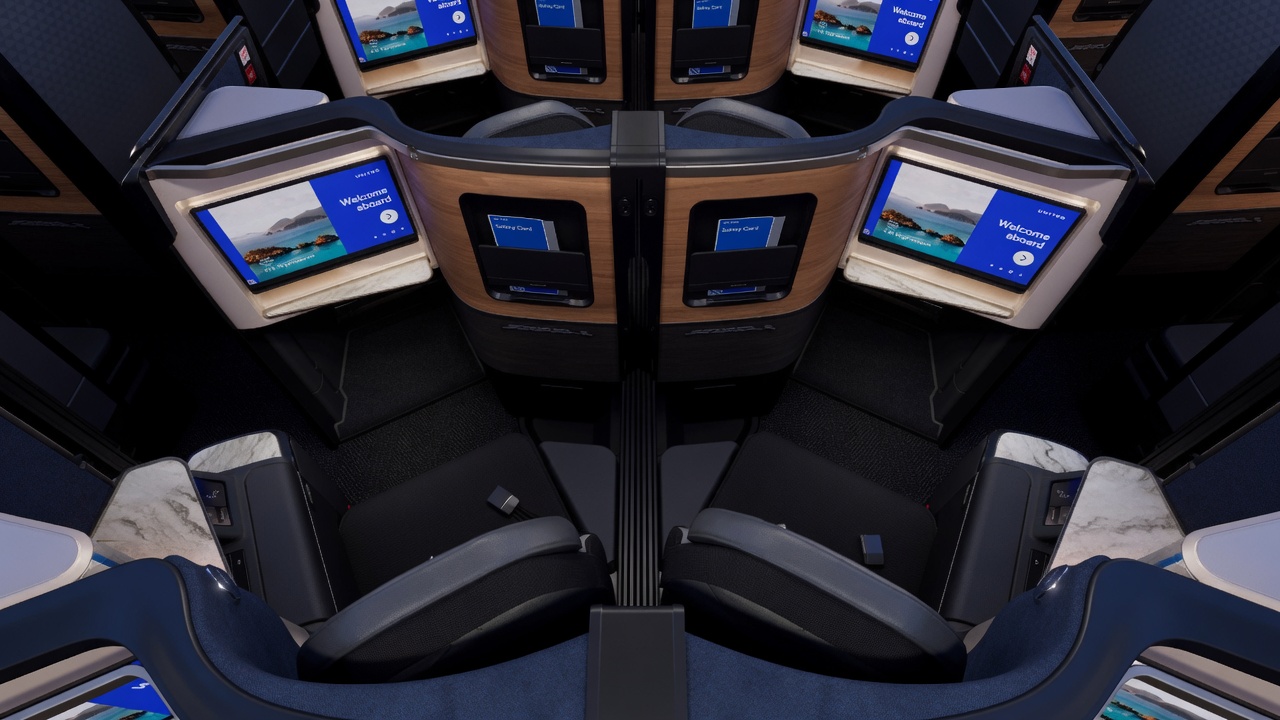
United Airlines is returning its newest Boeing 787-9 Dreamliner to the manufacturer after the aircraft experienced persistent mechanical failures since its debut. The plane, delivered with United's premium Polaris Suites business class configuration and updated Elevate cabin design, has endured multiple cancellations, unscheduled maintenance stops, and several passenger-free ferry flights to repair shops.
The aircraft represents United's latest investment in premium long-haul travel. The Polaris Suites feature direct-aisle access, lie-flat seats, and enhanced amenities designed to compete with competitors like Delta and American Airlines. However, the technical problems plaguing this specific 787-9 have prevented the airline from capitalizing on its expensive cabin upgrades.
Boeing will conduct remedial work at its facility to address the underlying issues. Details about the specific mechanical defects remain limited, but repeated failures on a brand-new aircraft point to manufacturing or design problems rather than typical wear-and-tear maintenance.
This incident adds to United's recent challenges with aircraft reliability and customer experience. The carrier has faced operational disruptions throughout 2024, from software outages affecting reservations to grounding of Boeing 737 MAX aircraft following an Alaska Airlines incident. Every cancellation and delay on this 787-9 represents lost revenue and damaged customer confidence in United's premium offerings.
For travelers, this situation underscores the risks airlines face when deploying new aircraft before fully resolving technical issues. Passengers booking premium cabin seats expect reliability, particularly at premium fares. When new aircraft require repeated returns to maintenance, it disrupts schedules and diminishes the value proposition of premium products.
The 787 Dreamliner has suffered quality control issues industry-wide, with Boeing facing increased scrutiny over manufacturing standards. United's experience with this particular aircraft adds to growing pressure on Boeing to improve production quality and ensure aircraft are fully