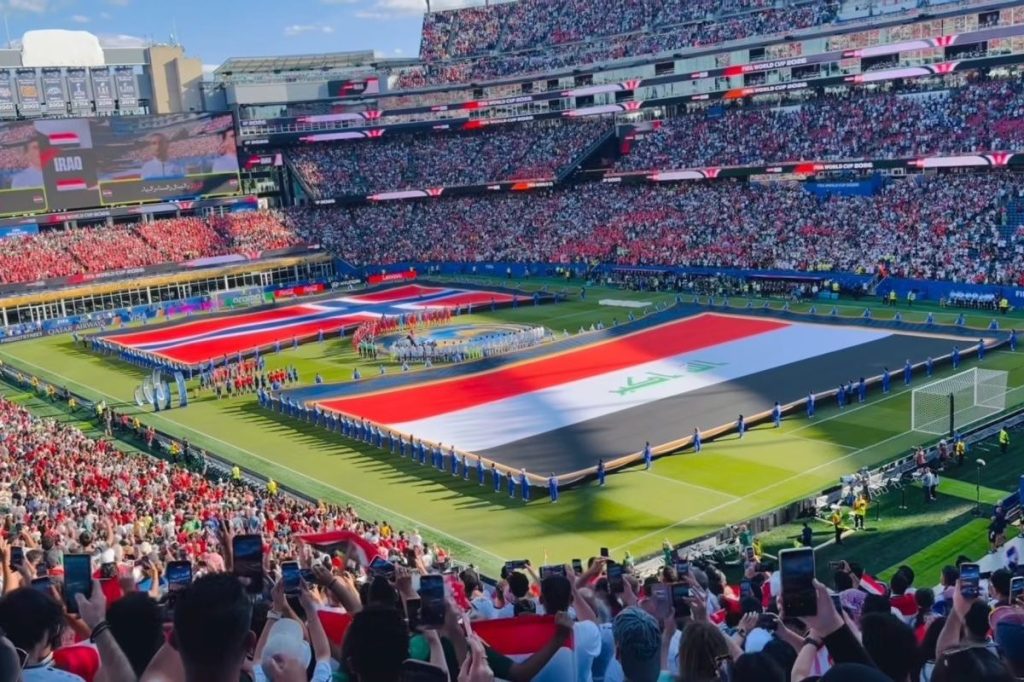
World Cup tournaments traditionally flood host destinations with international travelers, yet this year's event reveals a paradox. Hotels are capturing higher revenue per available room despite occupancy rates falling short of pre-tournament forecasts.
The soccer championship drives premium pricing across accommodations in host cities. Travelers willing to pay elevated rates concentrate spending on luxury properties and premium offerings rather than distributing demand evenly across inventory. This creates revenue growth without the volume hotels anticipated.
Several factors explain the occupancy gap. First, many fans secured accommodations months in advance through package deals and official ticketing channels, bypassing traditional hotel bookings. Second, alternative lodging options like Airbnb and vacation rentals captured segments that might have booked hotels in previous tournaments. Third, higher nightly rates pricing out budget-conscious fans reduced walk-in demand.
The revenue-per-available-room metric, known as RevPAR, climbs when properties maximize rate strength despite lower occupancy. A hotel charging 40 percent more per night to 60 percent occupancy generates similar revenue to 80 percent occupancy at standard pricing. This equation favors established luxury chains over mid-market and budget operators.
For hoteliers and destination marketers, the data signals shifting travel patterns. Younger travelers and price-sensitive fans increasingly bypass traditional hotel channels entirely. Properties invested heavily in inventory expansion to capture World Cup demand now face challenges filling rooms at planned rates.
Travelers planning around major sporting events should expect premium pricing but may find better value through alternative platforms. Early booking through official channels or package operators often delivers better rates than last-minute hotel searches. Mid-market properties typically offer the best occupancy deals as luxury properties claim premium segments.
The World Cup demonstrates that major events no longer guarantee traditional occupancy booms. Revenue concentration among premium properties reflects broader hospitality market fragmentation. Future tournaments may require different strategies from hotels aiming to capture diverse