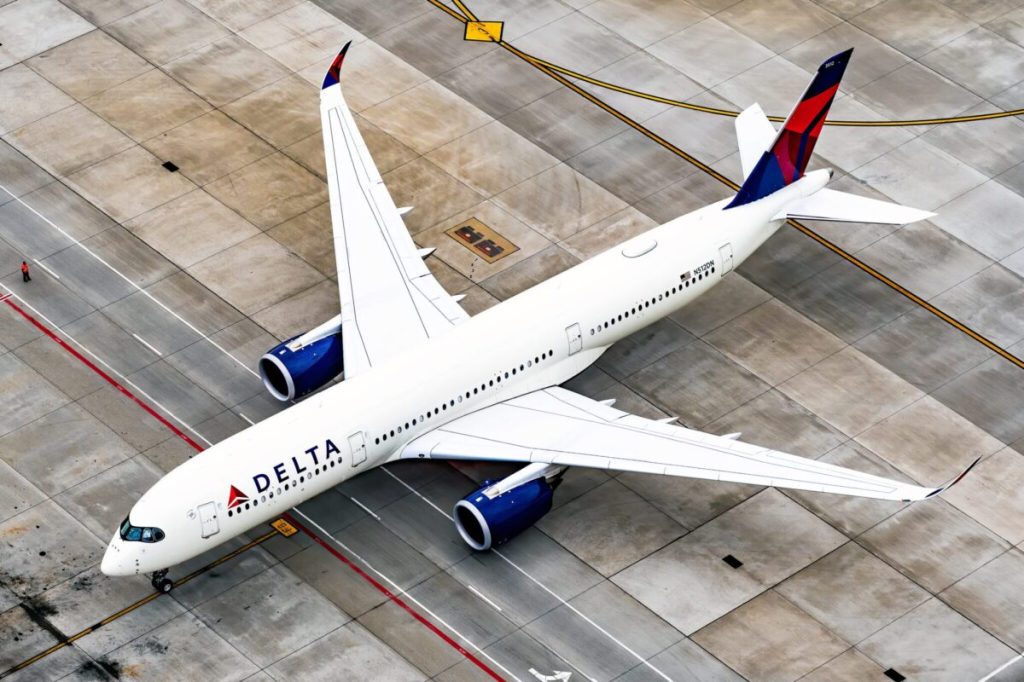
Delta Air Lines is aggressively expanding its Asia operations throughout 2026, directly challenging United Airlines' dominance on Pacific routes. The carrier has invested heavily in new services and infrastructure across the region to capture market share from its Chicago-based competitor.
United has long held the stronger position in transpacific travel, leveraging its hub in San Francisco and established partnerships with Asian carriers. Delta's strategy targets this advantage by adding capacity and new routes from its own hubs, particularly Atlanta and Detroit, which serve as gateways to Asia-Pacific markets.
The expansion reflects broader industry trends. Pacific routes remain among the most profitable for U.S. carriers, with strong demand from business travelers and leisure passengers heading to Japan, South Korea, China, and Southeast Asia. Post-pandemic recovery in Asian travel has accelerated, with carriers reporting robust bookings on premium cabins.
Delta's moves likely include increased frequency on existing routes, new destinations in secondary Asian markets, and enhanced connections through its hub system. Such expansion typically involves negotiating additional landing slots at congested Asian airports and securing bilateral air service agreements with foreign governments.
For travelers, Delta's competitive push means more flight options, potentially lower fares as the carriers battle for passengers, and improved schedules. Business travelers particularly benefit from increased frequency on premium routes. However, increased competition can pressure margins, which carriers often absorb through capacity additions rather than price cuts on established routes.
United maintains advantages including its San Francisco base, closer proximity to major Asian markets, and longstanding alliances with carriers like ANA and Singapore Airlines. Delta's challenge requires sustained investment and operational execution across multiple new markets simultaneously.
The rivalry underscores how carriers use capacity expansion and strategic positioning to compete in high-value markets. Pacific routes generate substantial revenue, making this expansion a critical battleground for both airlines' growth strategies into 2027 and beyond.