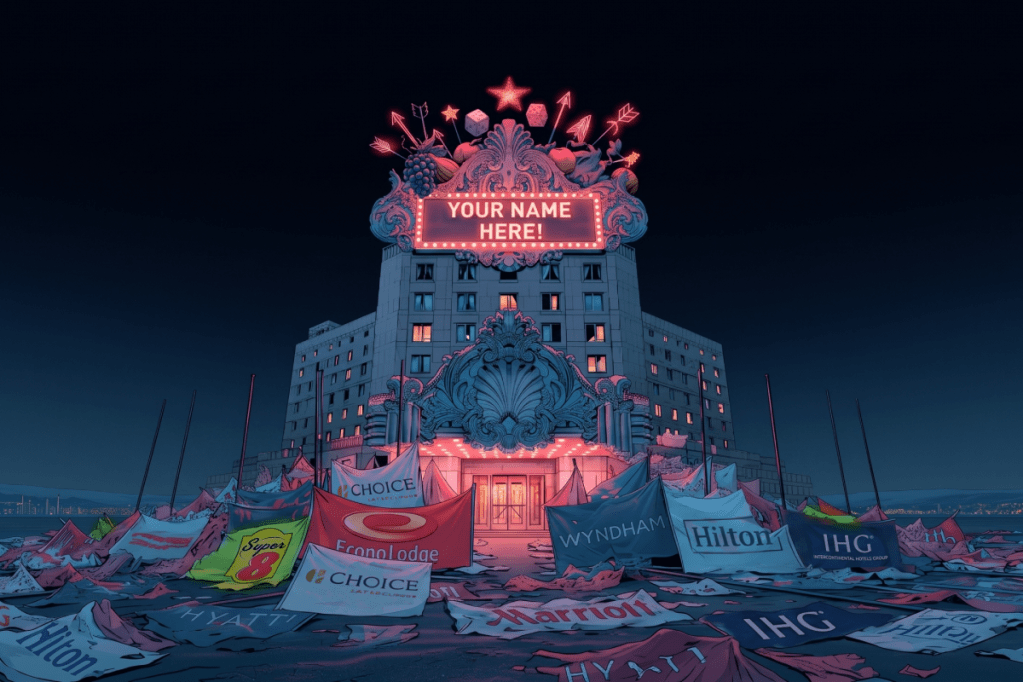
Hotel owners across North America are abandoning major franchise chains as long-term contracts expire, choosing independence over the constraints of brand loyalty. This shift reflects growing frustration with franchise fees, rigid operational requirements, and limited profit margins that franchisors impose on property operators.
Marriott International, Hilton Worldwide, and IHG dominate the hospitality landscape, controlling roughly 60% of branded hotel rooms globally. Yet their franchise models demand loyalty fees ranging from 5% to 12% of room revenue, along with mandatory technology investments and strict renovation schedules. For owners operating properties in secondary markets, these obligations consume profits that could fuel independent operations.
The timing proves critical. A wave of franchise agreements signed during the post-2008 recovery period now reaches expiration dates. Owners face a decision: renew commitments to established brands or rebrand as independent properties or join smaller, less restrictive chains.
Some properties successfully transition to soft brands like Marriott's Autograph Collection or Hilton's Curio, which offer lighter operational oversight. Others pivot entirely to independent status, leveraging direct booking through their own websites and online travel agencies like Booking.com and Expedia. Boutique hotel networks such as Preferred Hotels and Resorts provide an alternative middle ground, offering brand recognition without the financial stranglehold of major franchisors.
The independent hotel movement gains momentum as travelers increasingly seek authentic, locally-owned experiences. Gen Z and millennial travelers actively research property ownership and consciously book independent hotels to support local economies. This consumer preference provides independent owners with competitive advantage against cookie-cutter chain properties.
Property economics reveal the appeal. An independent 100-room hotel retains approximately $800,000 to $1.2 million annually in franchise fees alone. These savings fund renovations, staff improvements, and personalized guest experiences that differentiate properties from standardized