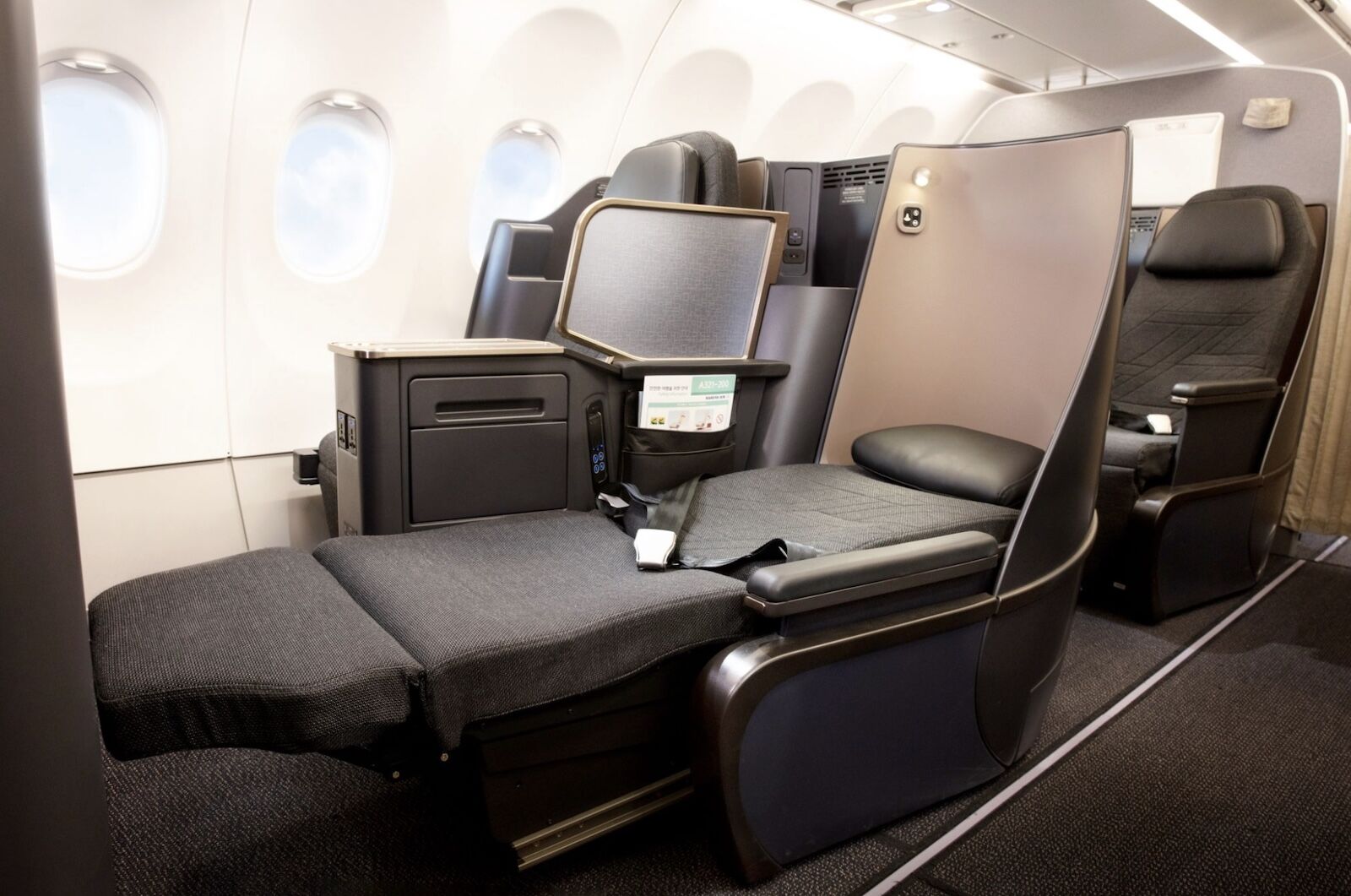
Premium cabin travel transforms arrival experiences more than the flight itself. A traveler landing in Rome after flying premium class illustrates this reality. Rather than stumbling off a red-eye exhausted, premium passengers arrive refreshed enough to immediately engage with their destination. Within an hour of landing, they sit at a corner trattoria with house red wine and cacio e pepe, present and absorbing golden Roman light.
The premium value proposition centers on rest and recovery during transit. Flat beds, superior amenities, and uninterrupted sleep mean passengers land as functional humans rather than zombies. This matters because your first hours in a destination set the tone for the entire trip. Arriving rested lets you actually experience Rome, Barcelona, or Bangkok rather than spend your first day in a haze.
Airlines including Emirates, Singapore Airlines, and Cathay Pacific have optimized premium cabins around passenger restoration. Luxury bedding, noise-canceling headsets, and multi-course dining reduce the physical toll of long-haul flying. Hotels benefit from this too. Premium passengers checking in well-rested spend more at restaurants and attractions because they have the energy to explore.
Budget carriers and economy-focused airlines recognize this shift. They've introduced premium economy as middle ground, offering better seats and service without full business class costs. This tier appeals to travelers who value arrival quality over cabin luxury.
The trend reflects changing travel priorities. Passengers now weigh premium pricing against experience gains beyond the cabin. A $3,000 business class ticket to Rome justifies itself if you land energized enough to fully inhabit your 48-hour visit. Economy passengers on identical flights arrive drained, losing precious time to recovery.
Cost remains prohibitive for most travelers. Premium cabin tickets from North America to Europe run $5,000 to $10,000 one-way. This explains why premium economy sells strongly. Airlines like