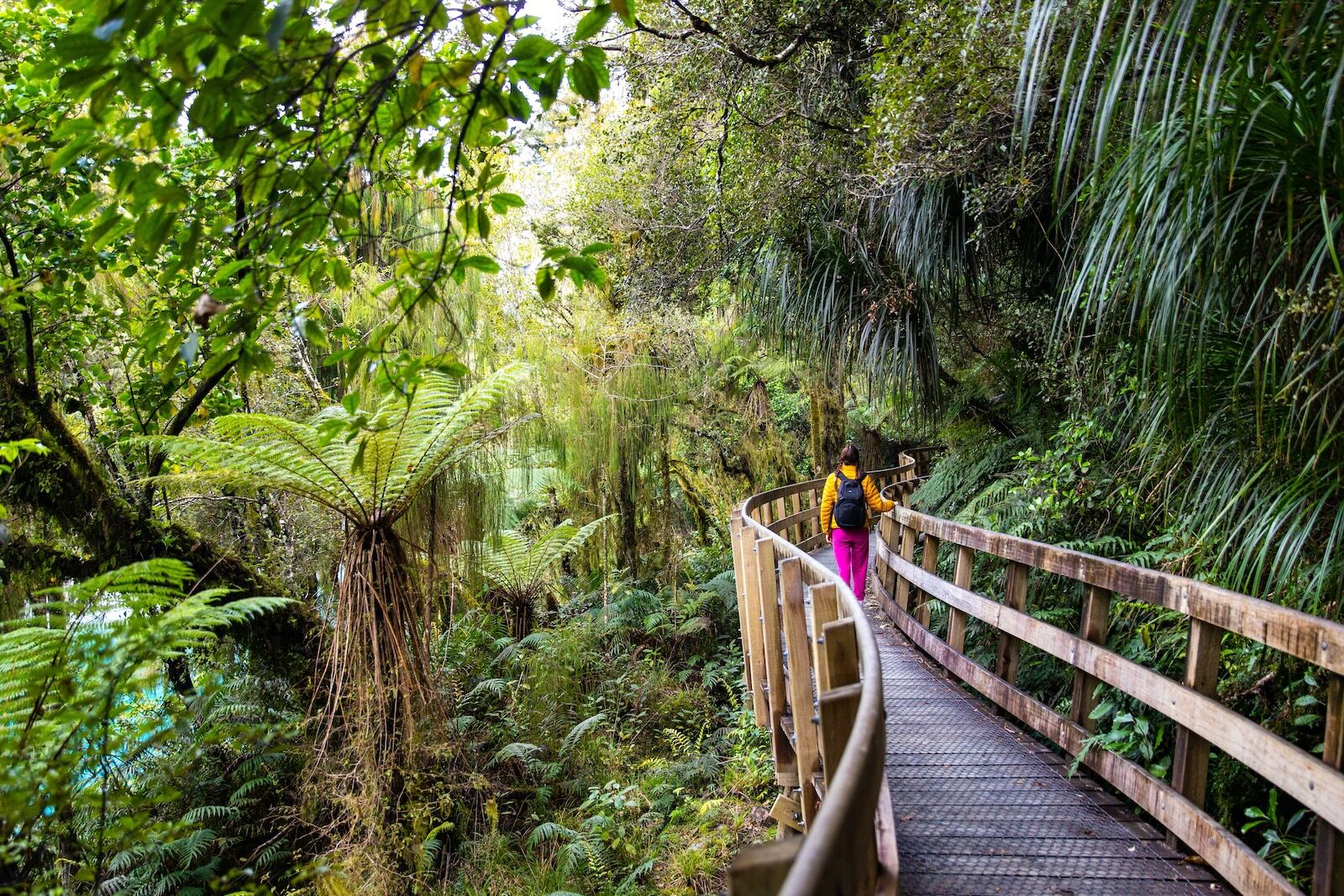
New Zealand's government is considering selling off millions of acres of public land, a move that could reshape access to the country's most prized natural attractions and outdoor recreation areas. The proposal represents a fundamental shift in how the nation manages its conservation estate.
The plan affects Crown land managed by the Department of Conservation, opening possibilities for private development across landscapes that currently offer free or low-cost access to hiking, camping, and wilderness experiences. Tourism operators and conservation groups are already weighing in on potential impacts. Proponents argue the sales would generate revenue for land management and development, while critics worry about restricted public access to iconic destinations.
New Zealand attracts over 3 million international visitors annually, with outdoor activities driving significant economic value. Trampers and campers depend heavily on public lands in regions like the Southern Alps, Fiordland, and the West Coast. Hotels and lodges in Queenstown, Milford Sound, and rural areas benefit from easy access to these trails and wilderness areas. If private ownership increases, operators may impose fees or restrict visitor numbers, fundamentally changing the economics of budget travel in the country.
The timing matters. Travel costs to New Zealand remain elevated post-pandemic, with domestic accommodation prices climbing sharply in popular regions. Adding user fees to previously free public lands would further strain budgets for backpackers and independent travelers who rely on affordable outdoor access.
Conservation organizations like the Wilderness Foundation have expressed concern about fragmenting ecosystems. Large-scale private ownership could disrupt migration routes and habitat connectivity. Indigenous Maori groups also have stake in the decision, as many public lands hold cultural significance.
The proposal still faces parliamentary debate, and any sales would occur gradually rather than immediately. However, travelers planning New Zealand trips should monitor this closely. Within the next 18 months to 2 years, pricing structures for access to beloved hiking routes and campsites could shift dramatically. Early bookings and