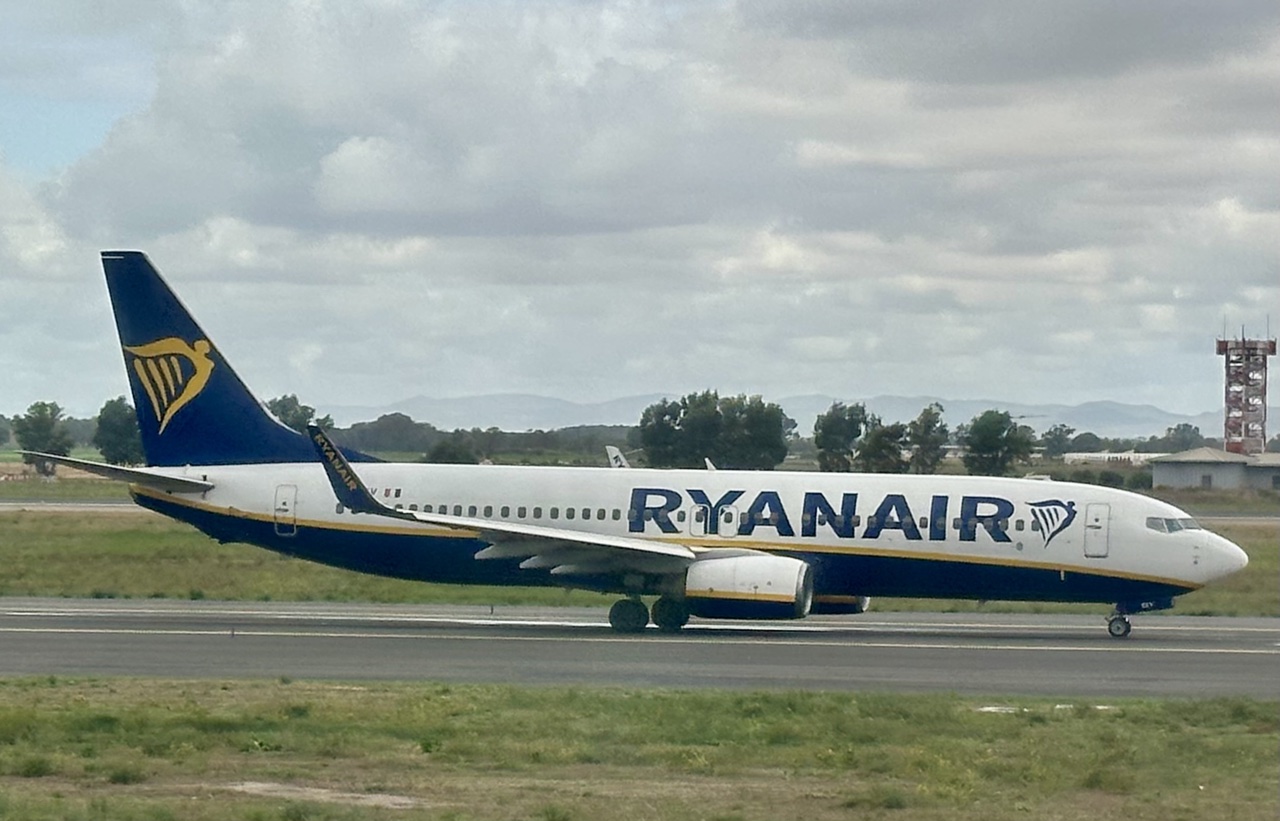
Ryanair's financial model exposes a fundamental shift in how airlines operate. The Irish budget carrier generates billions in profit through low-cost operations, while major U.S. carriers depend on financial partnerships to stay solvent. This divergence reveals that the airline industry has split into two distinct species.
Ryanair operates on a brutally simple formula. Keep costs down. Fill seats. Charge fees for everything beyond the bare minimum. The airline doesn't need capital from banks or credit card companies to function because its business model generates consistent cash flow. CEO Michael O'Leary's operation turns passengers into profit through operational efficiency, not financial engineering.
U.S. legacy carriers like American Airlines, Delta Air Lines, and United Airlines tell a different story. These airlines depend on American Express, Barclays, and other financial institutions for co-branded credit card revenue. These partnerships generate billions annually. Without the continuous cash injection from cardholders earning miles and paying annual fees, these carriers struggle to maintain profitability. They've become as much financial products as transportation services.
The model differences matter for travelers. Ryanair passengers endure cramped seating, no-frills service, and aggressive ancillary fees. But fares from Dublin to Barcelona or London to Berlin consistently undercut legacy competitors by 60 percent or more. A Ryanair flight from Dublin to Valencia might cost 19 euros base fare, though baggage and seat selection add substantially.
American, Delta, and United offer better onboard experiences. Lie-flat business class seats, premium food, expansive route networks. But these comforts exist because credit card partnerships subsidize operations. A passenger flying American from New York to Los Angeles pays higher fares partly because the airline relies on that revenue stream.
Neither model is inherently superior. Leisure travelers hunting bargains choose Ryanair's 230-