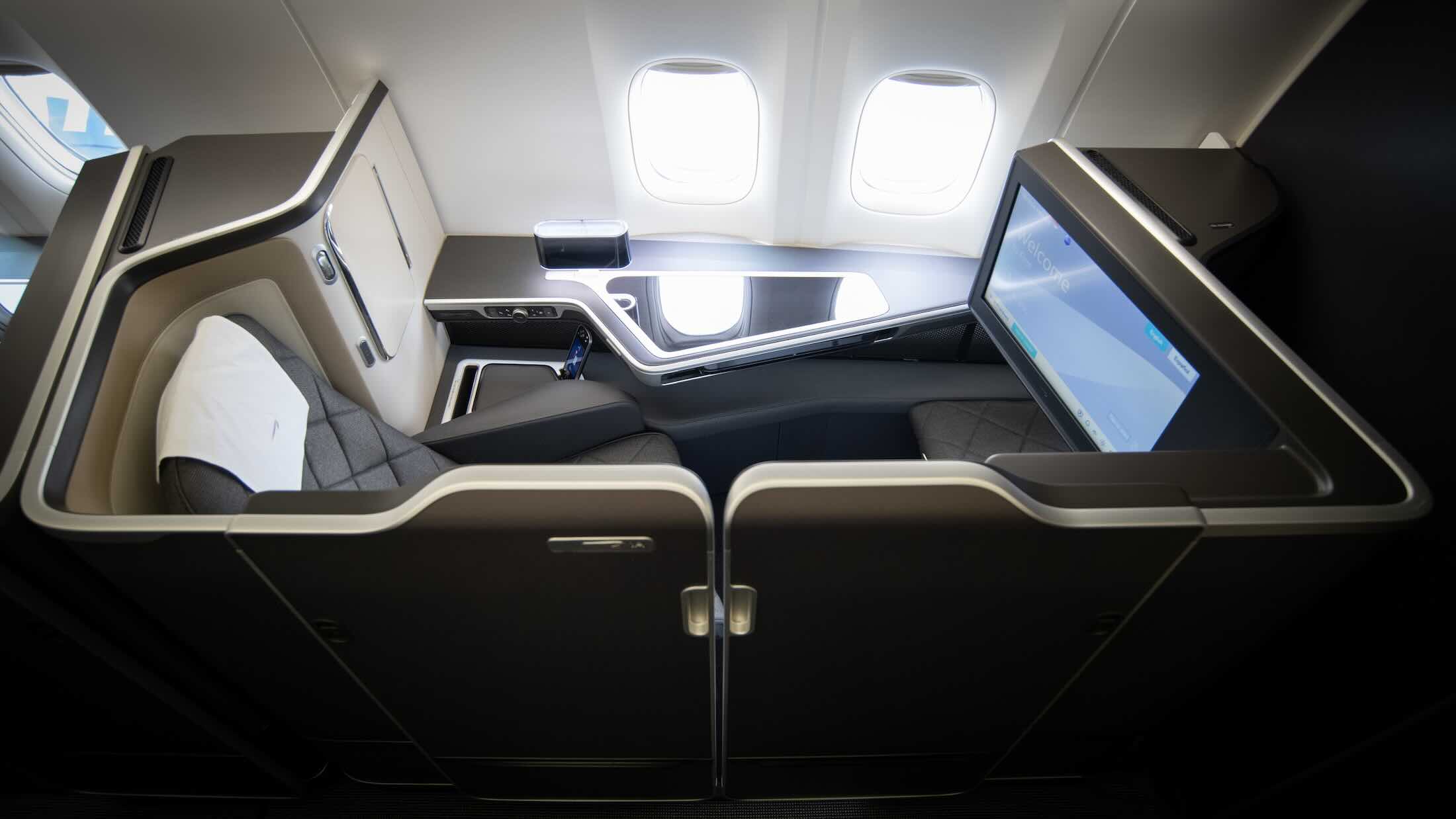
British Airways has introduced a new policy allowing cabin crew to rest in unoccupied First Class and Club World seats during long-haul flights. The airline permits flight attendants to sleep in these premium cabins when seats remain empty, addressing fatigue management on extended routes.
The move reflects staffing pressures on intercontinental flights, where crews work extended hours. BA operates routes like London to New York, Singapore, and Sydney where rest periods are essential for safety and service quality. By utilizing empty premium seats, the airline maximizes cabin resources without purchasing additional crew rest compartments found on Boeing 787s or Airbus A350s.
The policy carries trade-offs. Airlines benefit from improved crew fatigue management and reduced burnout, both critical safety factors regulated by the UK Civil Aviation Authority. Passengers holding premium tickets, however, may feel their exclusive cabin experience diminishes when crew use these seats. The optics matter. First Class on BA costs upwards of $5,000 to $15,000 on transatlantic flights, and Club World (business) runs $3,000 to $8,000. Premium passengers expect unshared luxury.
BA hasn't officially confirmed specific routes or frequency limits for this policy. The airline operates crew rest areas on newer widebody aircraft, but older Boeing 777s and Airbus A380s lack dedicated spaces. This policy targets those gaps.
The broader context shows industry-wide fatigue challenges. Airlines worldwide struggle with crew shortages post-pandemic. Ryanair, EasyJet, and other carriers face scheduling pressures. BA's approach avoids infrastructure costs while keeping existing crews viable on high-demand routes.
For travelers booking premium cabins, this policy creates uncertainty about exclusivity. Those paying premium fares deserve clarity on when and where crew rest in their cabins. BA should communicate this transparently rather than letting it emerge through reports