Europe's most rewarding walks blend dramatic scenery with the promise of restorative rewards. Readers share their favourite hiking routes across the continent, from Mediterranean cliffside paths to Nordic woodland trails.
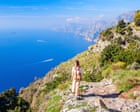
The Sentiero degli Dei (Path of the Gods) cuts into the steep hillsides above Italy's Amalfi Coast, delivering ten kilometres of vertiginous panoramas. Walkers traverse views stretching toward Capri and beyond, suspended above turquoise waters. Those comfortable with heights find the route transformative, though the path demands respect for its vertical exposures.
Beyond Italy, walkers celebrate routes offering post-hike luxuries. Swedish trails lead directly to saunas, where hikers plunge into lakes after exertion. The contrast between Nordic forests and thermal relief defines these experiences.
Lake Garda's cliffside walks showcase northern Italy's alpine drama. Readers describe these routes as offering unobstructed vistas across the region's largest lake, with paths that wind through limestone formations and wildflower meadows blooming throughout spring and summer.
The wildflower aspect draws particular enthusiasm. Meadows explode with colour during peak seasons, making spring and early summer ideal for European walking trips. Some routes even feature unexpected wildlife. Walkers report encountering wild horses on certain trails, adding adventure to the experience.
These recommendations reflect broader hiking trends across Europe. Walking holidays appeal to travellers seeking slower travel and closer connections to landscapes. Routes like the Sentiero degli Dei and Scandinavian forest paths offer accessibility without requiring technical climbing skills, attracting hikers of varying abilities.
Accommodation near these trails ranges from mountain refugios to lakeside hotels. Travellers planning European walking trips should research seasonality carefully. High-altitude routes open only after snow melt, typically June through September. Coastal Mediterranean walks remain accessible year-round, though