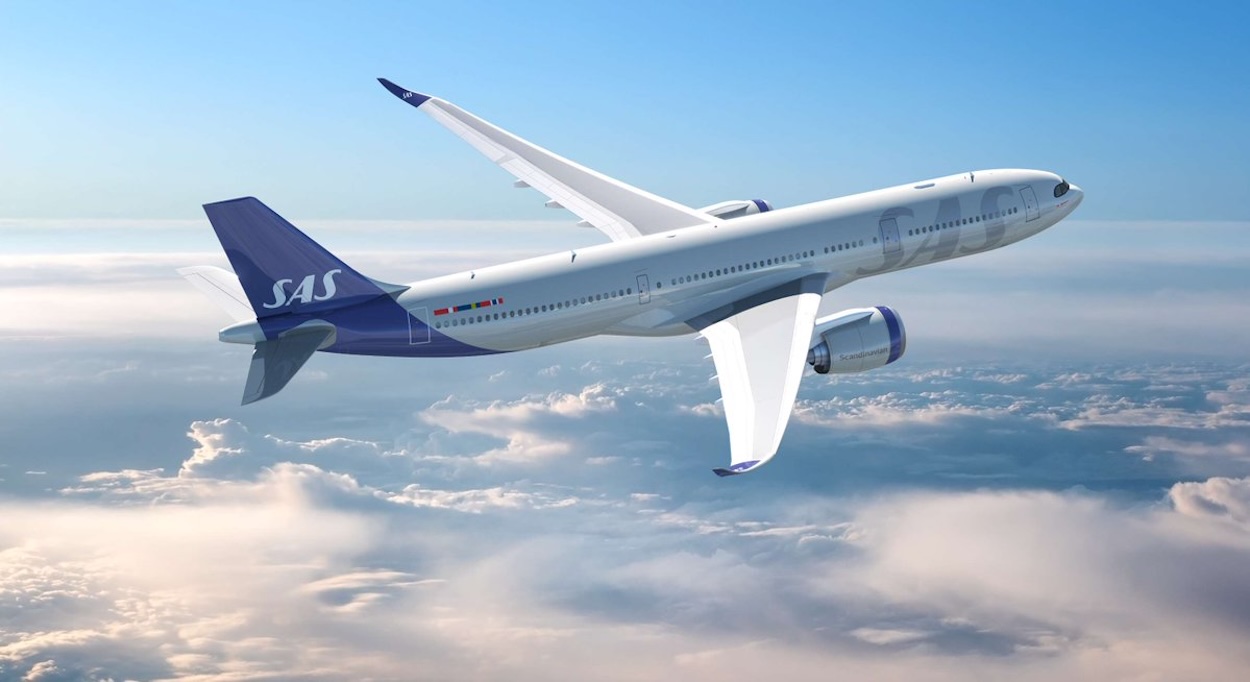
Scandinavian Airlines (SAS) is making its boldest infrastructure play in decades. The carrier has ordered up to 40 Airbus widebody aircraft, marking the largest investment in company history and signaling a dramatic shift toward Copenhagen as a major global hub.
The order centers on Airbus A330neo jets, which carry 260 to 300 passengers on long-haul routes. This fleet expansion could triple SAS's current widebody capacity, fundamentally reshaping the airline's network. Copenhagen Airport, traditionally a secondary Nordic hub, will become SAS's platform for international expansion across the Atlantic and beyond.
The timing reflects SAS's post-restructuring ambitions following its emergence from bankruptcy protection. The A330neo offers fuel efficiency gains over older widebodies, reducing operating costs on routes where SAS currently relies on leased or aging aircraft. This positions Copenhagen to compete with major Scandinavian gateways like Oslo and Stockholm for long-haul traffic.
For travelers, this investment opens new direct routes from Copenhagen. Currently, SAS operates limited long-haul service from the Danish capital, with most intercontinental flights concentrated at other Nordic bases. The expanded fleet will enable routes to North America, Asia, and beyond from Copenhagen Airport, which has undergone significant terminal renovations.
The order reflects broader aviation trends. Airlines are shifting away from four-engine aircraft like the A380 toward more efficient twin-engine widebodies. The A330neo, produced by Airbus, competes directly with Boeing's 787 Dreamliner. SAS's choice signals confidence in the aircraft's economics on medium and long-haul routes.
Copenhagen Airport benefits substantially. The expansion creates maintenance jobs, increases aeronautical revenue, and attracts connecting passengers across Scandinavia. Ground handlers and hospitality businesses gain from increased aircraft movements.
Passengers should expect improved