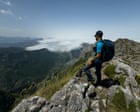
Spain's Picos de Europa offers trekkers an unlikely alpine wilderness where Spanish mountain culture thrives against dramatic limestone peaks west of Bilbao. This UNESCO World Heritage site delivers genuine high-altitude hiking with the texture of living communities intact, not just scenic vistas.
The terrain demands respect. Hikers traverse glacial depressions, navigate snow patches, and climb through zones of intense biodiversity. Alpine flowers carpet meadows. Chamois dart across near-vertical rock faces. The ecosystem shifts rapidly with elevation, creating microclimates that feel worlds apart despite proximity.
What distinguishes Picos de Europa from other European alpine destinations is the human presence. Local cheesemakers continue centuries-old traditions in mountain villages that depend on these landscapes. Cabrales cheese, produced in the region's caves, represents the marriage of terrain and tradition. Visitors encounter working dairy farms, not heritage museums. The culture remains functional, not curated.
Access to the park requires planning. The main town of Cangas de Onís serves as the gateway, with accommodations ranging from simple mountain hostels to rural guesthouses. Popular treks include the Lakes Route (Ruta de los Lagos), a demanding full-day circuit through glacial terrain, and easier valley walks accessible to less experienced hikers. Summer brings crowds but also stable weather. Spring and fall offer solitude with unpredictable conditions.
Getting there involves flying into Bilbao or Asturias, then driving or bussing south. Car rental provides flexibility for exploring scattered villages and trailheads, though public transport connects major points. Costs run moderate by Western European standards. Mountain refugios charge 25-40 euros for bunk beds. Local restaurants serve hearty mountain fare at reasonable prices.
The heatwave mentioned in accounts speaks to larger climate patterns affecting alpine zones. Snow patches persist higher into