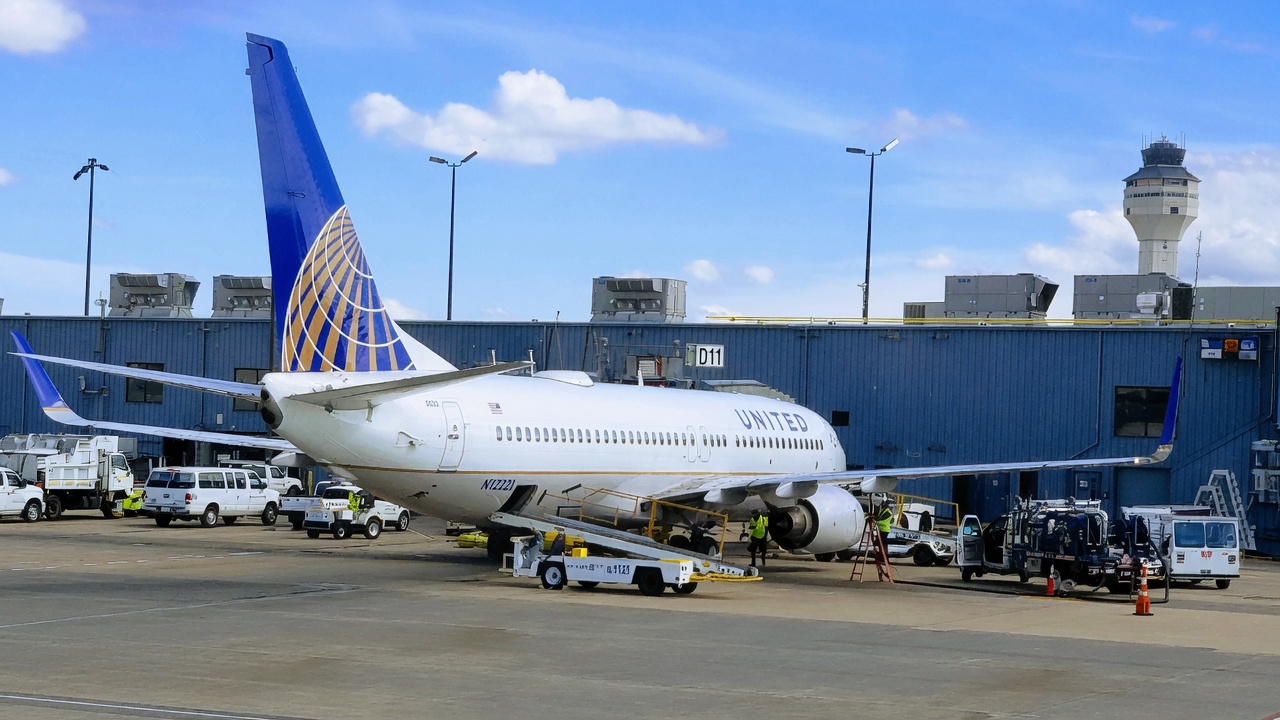
United Airlines baggage handlers, ramp workers, check-in agents, and customer service representatives rejected a tentative labor contract negotiated by their union, the International Association of Machinists and Aerospace Workers (IAM). The vote represents a significant rupture between union leadership and rank-and-file members across United's largest IAM-represented work groups.
Workers objected to multiple contract provisions negotiated through 2031. Healthcare costs emerged as a primary concern, alongside weak scheduling protections and insufficient raises that fail to keep pace with inflation across a decade-long agreement. Members also fear expanded outsourcing provisions that threaten job security and cite inadequate improvements to retirement benefits.
The rejection signals deeper discontent. Workers view the deal as a failure of union negotiators to secure competitive terms, particularly given United's recent profitability and the broader labor leverage airlines have faced post-pandemic. IAM leadership faced direct criticism from members who feel abandoned by their own representatives.
This rejection creates pressure on both United management and union negotiators. The airline must return to the bargaining table with workers who have demonstrated willingness to reject deals their own unions recommend. United's labor costs remain a critical competitive factor against Delta, American, and Southwest, where some work groups have secured more favorable contracts recently.
The baggage and ground handling operations are essential to United's daily operations. Any prolonged labor dispute could disrupt flights at United hubs including Chicago, Houston, Newark, and San Francisco. The rejection also reflects broader airline industry tensions where workers across multiple carriers have grown increasingly militant about post-pandemic compensation and scheduling demands.
Both parties face mounting pressure to reach an acceptable agreement. United cannot afford extended operational disruption, while workers have demonstrated they will vote down deals they perceive as inadequate. The next negotiating round will test whether either side can bridge the gap between management's cost containment goals and worker demands for meaningful wage growth, healthcare