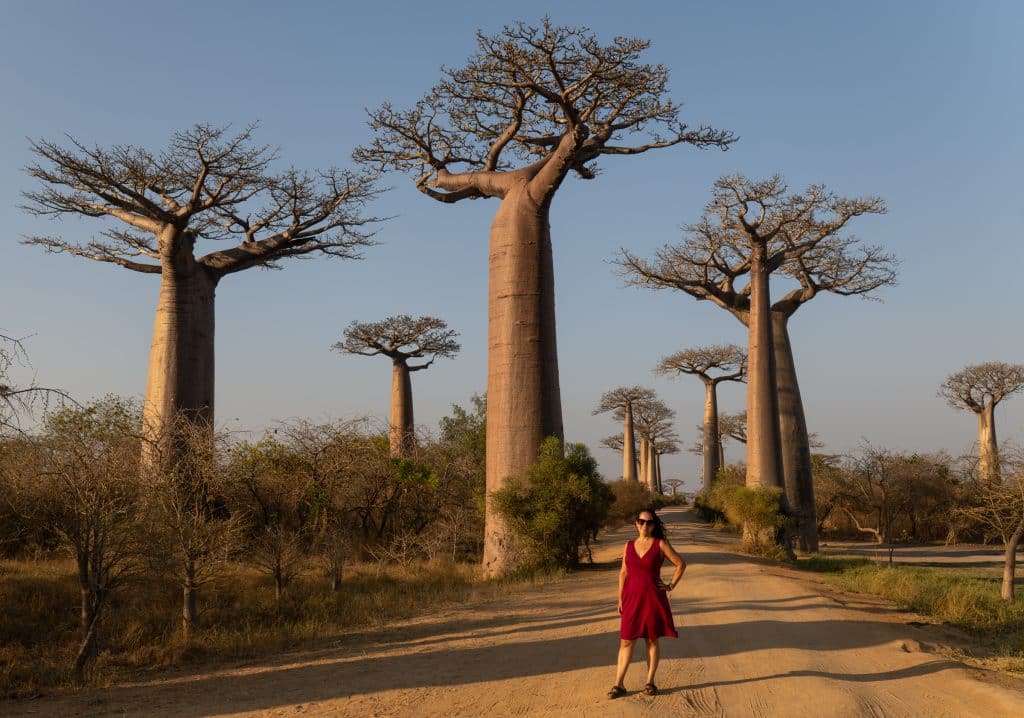
Madagascar ranks among the world's most underexplored destinations, offering travelers landscapes and wildlife found nowhere else on Earth. The island nation off Africa's east coast delivers on its promise of pristine terrain, endemic species, and genuine cultural encounters with minimal tourist infrastructure.
Visitors encounter extraordinary biodiversity across Madagascar's diverse regions. Lemurs dominate the wildlife scene, with over a dozen species inhabiting the island's forests. The spiny forests of the south present lunar-like terrain, while the rainforests of the northeast shelter species found only here. Travelers exploring national parks like Andasibe-Mantadia and Isalo witness creatures and ecosystems that define bucket-list African adventures.
The local population welcomes visitors warmly despite limited tourism development. This relative isolation means fewer crowds at major attractions and more authentic interactions with Malagasy communities. The blend of African, Arab, and Southeast Asian influences shapes local culture, cuisine, and hospitality in distinctive ways.
Travel logistics require planning. International flights typically connect through major African hubs or European cities before reaching the capital, Antananarivo. Domestic travel relies on smaller airlines like Air Madagascar and overland journeys, which can consume significant time. Roads outside urban areas remain underdeveloped, making travel slower but more intimate.
Accommodation ranges from basic guesthouses to mid-range eco-lodges catering to adventure travelers. Budget options cost $20 to $50 nightly, while comfortable lodges run $80 to $150. Tour operators specializing in Madagascar guide wildlife viewing, hiking, and cultural experiences effectively.
The cost advantage attracts budget-conscious travelers. Daily expenses average $40 to $60 for budget travelers, considerably less than other African destinations. Meals feature rice, zebu beef, and fresh tropical fruits at reasonable prices.
Madagascar's isolation creates both appeal and challenge. Limited tourism infrastructure means fewer