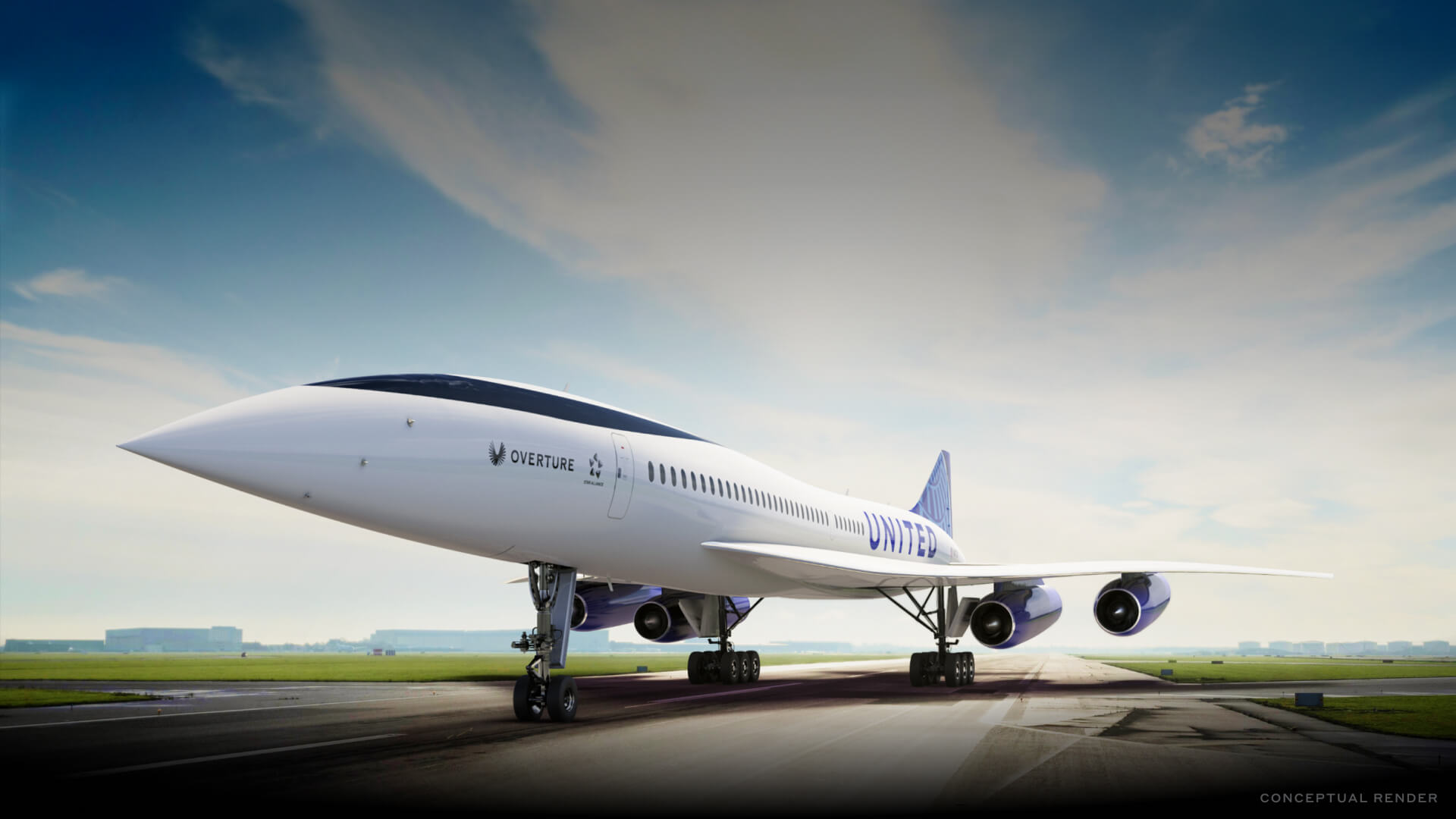
The Federal Aviation Administration is proposing to dismantle America's 50-year prohibition on supersonic flight over land, replacing it with a performance standard that permits aircraft to exceed Mach 1 if they produce no detectable sonic boom at ground level. This regulatory shift could unlock commercial operations for startups like Boom Supersonic and Hermeus, which are developing next-generation overland supersonic jets designed to minimize noise impact.
The change addresses one significant hurdle but leaves developers facing formidable technical and economic barriers. Engine development remains unresolved, with manufacturers still working on powerplants that meet efficiency and emissions standards. Certification pathways remain unclear, and aircraft must navigate existing airport noise regulations in major hubs where supersonic routes would generate revenue.
Fleet economics present another obstacle. Supersonic aircraft require premium fares to achieve profitability, yet demand for premium-speed travel remains unproven in an era when business travel declined post-pandemic. Airlines must identify routes where passengers will pay substantially more for flight times measured in hours rather than minutes. Potential routes like New York to London or Los Angeles to Tokyo face skepticism about whether premium demand exists.
Boom Supersonic, backed by United Airlines, targets a 55-seat configuration and plans to begin deliveries in the early 2030s. Hermeus focuses on unmanned hypersonic cargo flights. Both companies benefit from the FAA's regulatory flexibility, yet neither has resolved how boomless technology scales to commercial service.
The sonic boom waiver addresses political obstacles that blocked supersonic expansion since the Concorde era ended in 2003. Residents near airports fought previous proposals, citing noise pollution concerns. A truly boomless supersonic aircraft eliminates that opposition but requires unproven aeronautical advances.
The regulatory shift represents progress, yet the industry remains years from proving commercial viability. Developers must solve