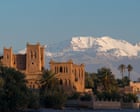
Skoura, a four-hour drive south of Marrakech, stands as one of Morocco's most perfectly preserved oasis towns. The desert outpost remains irrigated by water channeled from the Atlas Mountains, creating a lush pocket of palms and cultivated gardens that contrasts sharply with the surrounding Saharan landscape.
The moment visitors enter Skoura, the environment transforms. Temperature plummets. Birdsong replaces desert silence. Palm fronds rustle overhead. Water flows through irrigation channels, and damp earth perfumes the air. These sensory shifts explain why historical desert caravans prized oases as essential rest stops and why modern travelers seek them for restoration.
An explorer and author who has walked across Morocco and the Sahara with loaded camels describes Skoura as his personal decompression destination. The town offers something increasingly rare in travel: authentic, largely unchanged character. The architecture, agricultural practices, and rhythms of daily life remain rooted in centuries-old traditions rather than adapted for tourism.
The oasis sits within the Dades Valley region, an area known for dramatic canyon landscapes and Berber villages. Skoura's kasbah-lined edges frame date palm groves and vegetable gardens that supply local markets. The town avoids the commercialization that has transformed other Moroccan destinations.
Accommodations range from traditional guesthouses to mid-range riads that cater to trekkers and cultural travelers without overwhelming local infrastructure. Most visitors arrive via rental car from Marrakech or as part of multi-day desert tours that include Merzouga or the Todra Gorge.
The best travel months are October through April, when temperatures remain moderate for exploring. Summer heat exceeds 100 degrees Fahrenheit.
Skoura appeals specifically to travelers seeking substance over spectacle.