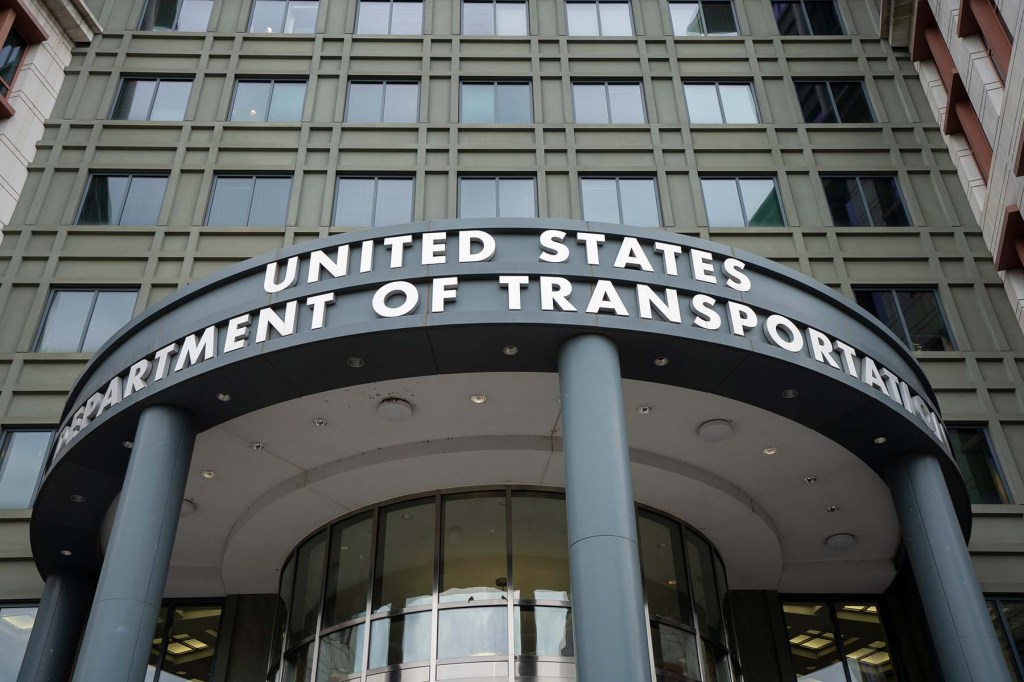
The Trump administration has initiated steps to repeal a transparency rule established during the Obama presidency that requires airlines to disclose additional fees upfront during the booking process. This regulation mandates that carriers display baggage fees, seat selection charges, and other ancillary costs before passengers complete their purchases on airline websites.
The move represents the latest effort by the administration to scale back consumer protections targeting the aviation industry. Airlines have long opposed the disclosure requirements, arguing that displaying all fees creates booking friction and complicates their pricing strategies. Carriers prefer presenting base fares prominently while burying ancillary charges deeper in the purchase flow.
For travelers, repealing this rule would mark a regression in price transparency. Currently, passengers shopping on major carriers like American Airlines, Delta Air Lines, United Airlines, and Southwest Airlines see total costs clearly displayed before committing payment. Without the mandate, airlines could revert to showing lower headline fares followed by surprise fees at checkout, making price comparisons across carriers significantly harder.
This decision aligns with the administration's broader deregulation agenda targeting federal agencies. The Department of Transportation, which enforces the current rule, would lose authority to mandate upfront fee disclosure. Budget-conscious travelers who rely on transparent pricing to find genuine deals face potential disadvantages in an environment where airlines can obscure true costs.
Airlines generate substantial revenue from ancillary fees. The industry collected over $30 billion from baggage, seat selection, and change fees in recent years. Eliminating transparency requirements could allow carriers to increase these charges without consumer backlash, as many passengers might not realize the full impact during booking.
Travel agents and online travel agencies like Expedia, Google Flights, and Kayak have benefited from showing transparent pricing, enabling better comparison shopping. Repealing the rule could fragment the booking experience across platforms, with some displaying fees and others not.
Consumer advocacy groups have opposed the repeal