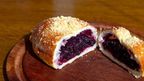
# Poland's Pączki Day Celebrates a Pastry That Defined a Nation
Poland observes Pączki Day on Fat Thursday, the week before Lent begins, to honor a pastry so beloved it sparked national celebration. The pączki, pronounced "poonch-key," is a deep-fried dough ball filled with fruit preserves, traditionally plum jam, and dusted with powdered sugar. This single treat has become so embedded in Polish culture that the government designated an entire holiday around it.
The pączki tradition runs deep. Bakeries across Poland, from Warsaw to Kraków, prepare thousands of these dense, indulgent pastries weeks in advance. Demand soars so dramatically that supplies vanish within hours of opening. Tourists visiting Poland during February or early March specifically seek out authentic pączki from local piekarnia, or bakeries, rather than mass-produced versions.
The pastry carries historical weight. Dating back centuries, the pączki originally provided a way for bakers to use up lard and sugar before the Lenten fast. Polish immigrants brought the tradition to America, particularly to Detroit and Chicago, where Fat Tuesday celebrations now feature pączki prominently alongside traditional Mardi Gras fare.
For travelers planning a Polish visit, Pączki Day offers genuine cultural immersion. Visiting during Fat Thursday allows visitors to witness the chaos of bakery lines and taste freshly fried pastries still warm from the oil. Regional variations exist, with some bakeries offering rose hip, apricot, or custard fillings alongside the classic plum.
This berry-filled obsession reveals something essential about Polish identity. The pączki represents not merely food but connection to tradition, family gatherings, and seasonal rhythm. A single pastry became powerful enough to stop a nation and declare it worthy of celebration. For food