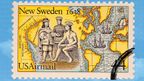
# New Sweden: The US's Long-Lost 'Secret' Colony
Most Americans know little about New Sweden, the 17th-century Swedish colony that shaped early American history along the Delaware River. Established in 1638, this settlement stretched across present-day Delaware, Pennsylvania, and New Jersey, preceding many better-known colonies by decades.
Swedish colonists, backed by the South Company trading enterprise, built Fort Christina (near modern Wilmington, Delaware) as their primary outpost. They introduced log cabin construction to North America, a building technique that became iconic to frontier settlements. The Swedes also established peaceful trade relations with the Lenape people, contrasting sharply with conflicts other European colonists experienced.
The colony thrived for roughly 17 years before Dutch forces annexed it in 1655. Despite this relatively brief existence, New Sweden left an indelible mark. Swedish settlers remained after the takeover, assimilating into colonial life while maintaining their cultural identity through churches, family names, and architectural traditions that persist today in the Delaware Valley.
Modern travelers exploring American colonial history often overlook this chapter entirely. The Fort Christina Monument sits in Wilmington, marking the original settlement site. The area's historic churches, including Holy Trinity Church (Old Swedes Church), built in 1698, represent some of the oldest continuously used houses of worship in the United States.
Understanding New Sweden reframes the American founding narrative. Rather than a story dominated solely by English settlers, early America involved complex interactions between Swedish, Dutch, English, and Native American communities competing for control and resources.
For history-focused travelers planning visits to the Mid-Atlantic region, adding Delaware's Swedish heritage sites offers depth beyond typical colonial tourism. The region around Wilmington and the lower Delaware Valley provides accessible entry points into this overlooked but foundational period of American development. Local historical societies and museums have increasingly documented New Sweden's