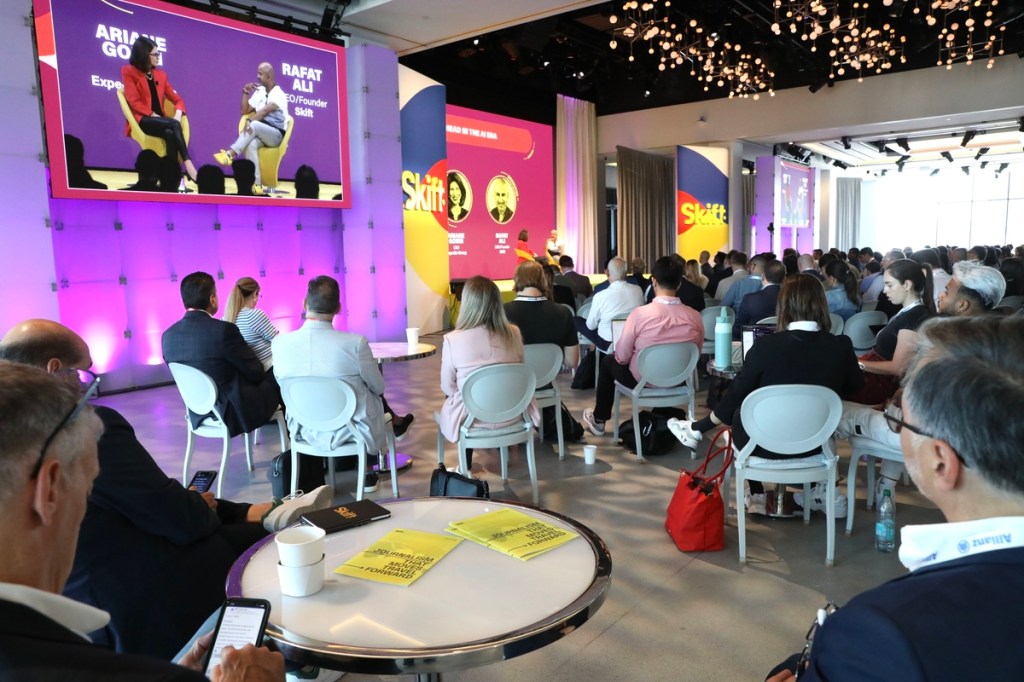
The travel industry converges on Skift Global Forum this year facing unprecedented pressures that demand candid dialogue among executives, investors, and operators across airlines, hotels, and tour companies. The event, now in its second decade, functions as the primary venue where travel's top decision-makers negotiate industry challenges, from labor shortages and technology disruption to sustainability demands and post-pandemic recovery strategies.
The 2026 forum arrives as the sector grapples with rising operational costs, shifting consumer preferences, and regulatory pressures around carbon emissions. Airlines like American, United, and Delta have announced significant fleet modernizations and route adjustments. Major hotel groups including Marriott International, Hilton, and IHG face decisions about property investments and brand repositioning. Tour operators and travel tech companies need alignment on standards for dynamic pricing, loyalty programs, and distribution models.
The forum's importance extends beyond networking. It serves as a marketplace where emerging travel trends get validated or rejected in real time. Conversations about AI-powered personalization, dynamic packaging platforms, and direct-to-consumer booking strategies influence billions in capital allocation. Hotel operators learn which markets investors prioritize. Airlines gauge sentiment on route expansion. Budget carriers assess demand for secondary airport development.
The travel industry operates on thin margins with complex supply chains spanning multiple countries and regulatory regimes. When decisions happen piecemeal, without cross-sector communication, the results prove costly. Miscalculations on capacity lead to bottlenecks. Misaligned sustainability goals create competitive disadvantages. Poor coordination on technology standards wastes investor dollars on incompatible platforms.
The 2026 edition gains additional weight because travel demand remains robust but volatile. Corporate travel patterns haven't fully stabilized. Consumer preferences between luxury resorts and budget accommodations continue shifting. Emerging markets like Vietnam and Indonesia demand strategic attention, yet most travel executives still concentrate resources on traditional Western destinations.