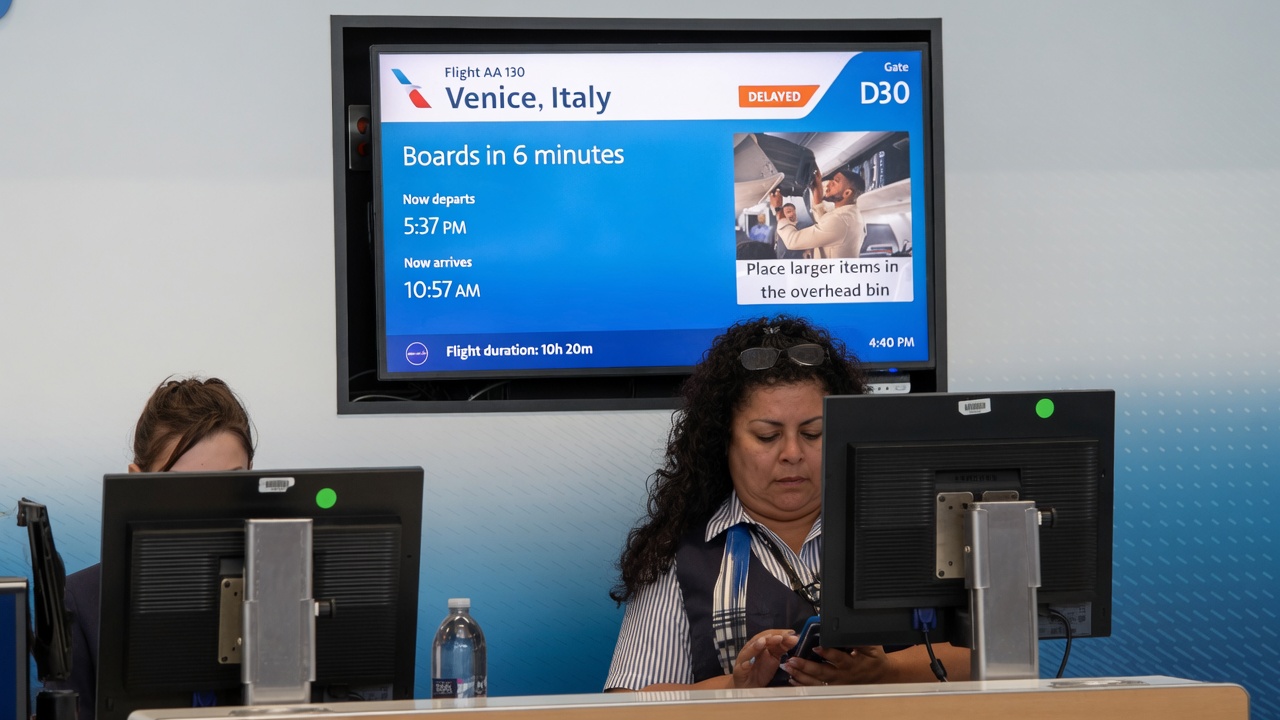
American Airlines refunded $900,000 to AAdvantage frequent flyer members after the Department of Transportation discovered the airline had systematically overcharged taxes on children's award tickets to 14 jurisdictions. The refunds stem from a 2015 complaint filed by frequent flyer Mike Borsetti, who noticed American Airlines was charging full adult tax rates on award tickets for children rather than applying the lower tax rates applicable to minors.
The DOT's enforcement action took 11 years to resolve, an extended timeline that ultimately worked in American's favor. The agency declined to pursue formal enforcement penalties, citing the substantial delay between the initial complaint and investigation completion. American Airlines accepted the refund requirement without admitting wrongdoing, returning overcharged amounts to affected members across 14 tax jurisdictions where the practice occurred.
This case exposes gaps in airline consumer protection oversight. The extended investigation period meant American Airlines avoided financial penalties beyond the refunds themselves. Frequent flyers booking award tickets for children should verify tax calculations match their child's age, as some carriers may apply adult rates incorrectly. The refunds demonstrate that persistent complaints can eventually yield results, though speed remains elusive within DOT processes.
For travelers using airline miles for family trips, this situation highlights the importance of checking billing details before booking. Award flights often carry complex tax structures that vary by jurisdiction. Parents booking on American Airlines' AAdvantage program or other carriers should request itemized tax breakdowns showing child and adult rates separately. The refund suggests American's systems failed to properly categorize minor passengers when calculating tax obligations. This technical failure affected thousands of bookings over multiple years before correction.
The resolution signals that airlines face eventual accountability for systematic overcharges, even when investigations move slowly. However, the DOT's reluctance to penalize American Airlines after an 11-year delay suggests that extended timelines may discourage stronger