Cabo Verde's unexpected World Cup appearance is putting Africa's smallest nation on the global sports map, but converting that attention into sustained tourism growth presents a distinct challenge. The island archipelago, located off the coast of Senegal in the Atlantic, currently attracts 1.2 million visitors annually, with European tourists dominating arrivals through all-inclusive resort packages from operators like TUI and Sunwing.
The real opportunity lies with American travelers. Most U.S. visitors struggle to locate Cabo Verde, let alone distinguish it as a Caribbean-quality destination. The World Cup spotlight offers a rare chance to build awareness in this underexploited market. However, converting fleeting sports enthusiasm into actual bookings requires strategic marketing from Cabo Verde's tourism board and hotel operators.
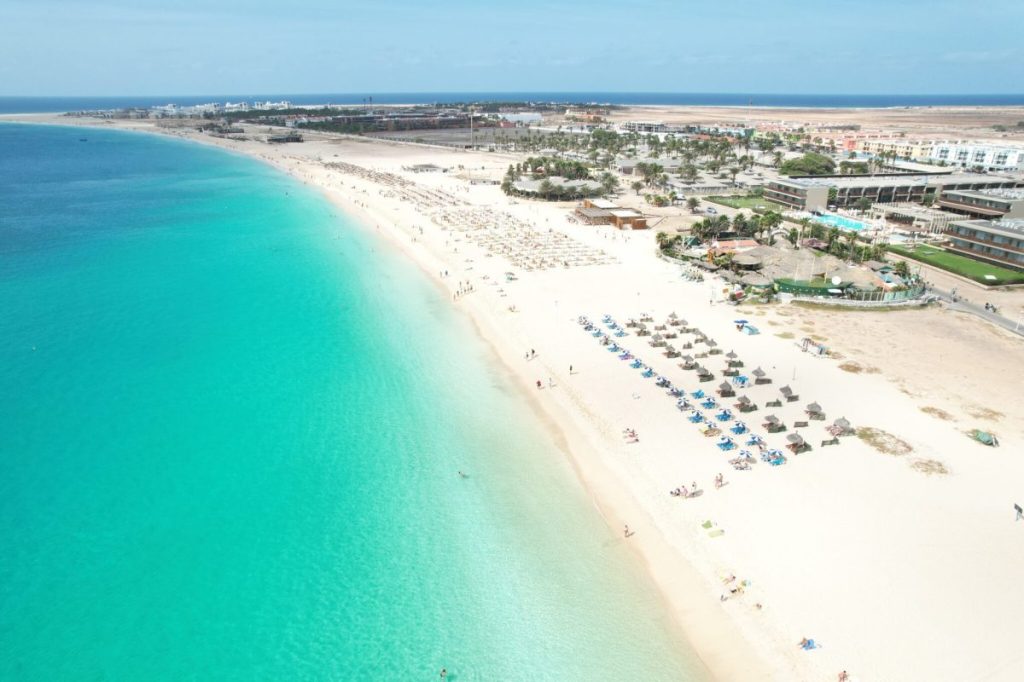
The islands feature volcanic landscapes, pristine beaches, and a Portuguese-influenced culture across nine inhabited islands including Santiago, São Vicente, and Sal. Major resorts like Meliá Llana Beach Resort on Sal Island and Morabeza Hotel on Boa Vista cater primarily to European package tourists seeking budget-friendly sun destinations. These all-inclusive models, priced significantly lower than Caribbean alternatives like the Dominican Republic or Jamaica, have sustained tourism steady for years.
What the World Cup exposes is Cabo Verde's lack of awareness among adventure and independent American travelers. Unlike established destinations capitalizing on sports events through boutique hotels and experiential tourism, Cabo Verde's infrastructure remains largely locked into the European tour operator ecosystem.
Airlines matter here too. Direct flights from the United States to Praia and Sal remain limited, primarily served by European carriers with connections. TAP Air Portugal and connections through Lisbon remain the default route, adding travel friction that American convenience-seeking tourists resist.
The islands' future tourism growth depends on whether this World Cup moment prompts investment in direct U.S. flights, digital marketing